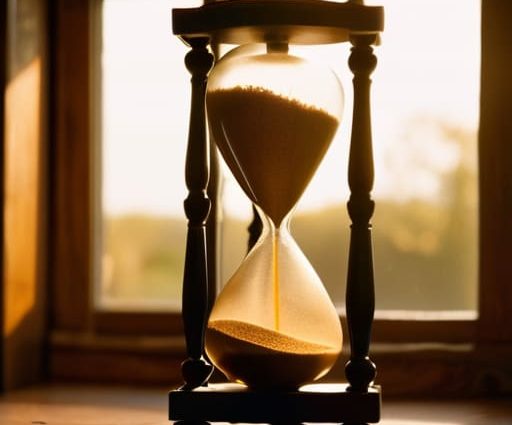
I was sitting in this tiny, dimly lit espresso bar in Wicker Park last Sunday—the kind of place where the scent of roasted beans clings to the walls like a well-loved memory—when I realized I’d spent the entire morning scrolling through my phone instead of actually living. It hit me with the force of a sudden Chicago thunderstorm: why weekends feel shorter than they used to. It’s not just a trick of the light or a lapse in memory; it feels as though our precious forty-eight hours have become like the fleeting, ephemeral characters in a Dickens novel, appearing just long enough to stir our souls before vanishing into the fog of Monday morning.
I’m not here to feed you some pseudo-scientific lecture about dopamine loops or time perception that reads like a dry textbook. Instead, I want to pull back the curtain on the real, messy mechanics of our modern lives. I’m going to share the hard-won insights I’ve gathered from years of chasing stories across the globe, offering you a practical roadmap to reclaim your time. We’re going to explore how to stop letting your Saturdays slip through your fingers like urban sand and start crafting a weekend that actually feels like it belongs to you.
The Psychology of Time Perception and Fading Magic
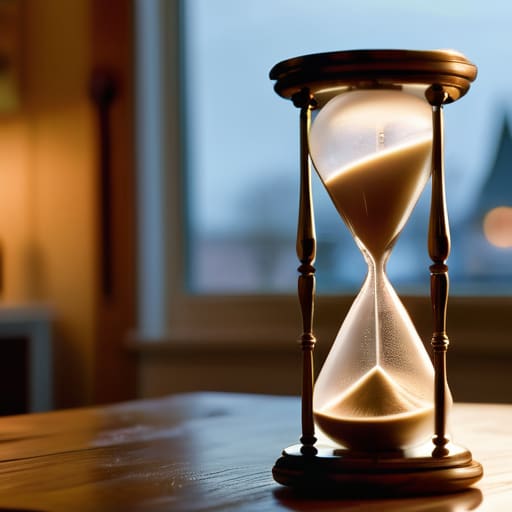
To understand this temporal heist, we have to peek behind the curtain of the psychology of time perception. It’s much like reading a dense chapter of Dickens; when you’re truly immersed in a new, sensory-rich experience, the clock seems to stand still. But as we settle into the predictable rhythms of adulthood, our brains begin to take a sort of cognitive shortcut. When our days become a repetitive loop of grocery runs and laundry, our internal clock stops marking the milestones. It’s as if we’ve stopped writing new chapters and started merely skimming the same old pages, causing the weekend to blur into a single, indistinct smudge of time.
This phenomenon is deeply tied to how routine affects time perception. In our youth, every Saturday was a sprawling epic filled with novel characters and uncharted territories. Now, however, our weekends often succumb to the gravitational pull of weekend burnout and mental fatigue. When we spend our precious forty-eight hours merely recovering from the work week rather than actively engaging with the world, our brains don’t bother to “save the file.” We aren’t living; we’re just buffering, and that lack of novelty makes the passage of time feel as fleeting as a ghost in a Victorian manor.
How Routine Affects Time Perception in Our Urban Lives
Think of your weekly routine as a well-worn, predictable manuscript. When every Saturday is a carbon copy of the last—laundry, grocery runs, and the same scrolling through endless feeds—your brain begins to treat time like a repetitive stanza in a mediocre poem. It stops paying attention because there’s nothing new to record. This is essentially how routine affects time perception; when we lack novelty, our internal clock stops ticking and starts sprinting. Without those “anchor points” of unique experiences, the days blur together into a single, indistinct smudge of grey, much like a foggy morning on Lake Michigan.
In the hustle of our urban lives, we often fall into the trap of managing weekend productivity vs relaxation in a way that actually backfires. We treat our Saturdays like a second job, checking off tasks with a frantic energy that leaves us feeling hollow. This constant grind creates a sense of temporal compression. Instead of savoring the slow drip of a Sunday morning, we are so focused on the “to-do” list that we miss the very essence of the moment. We aren’t living our weekends; we are merely processing them.
Reclaiming the Clock: Five Ways to Stretch Your Saturday Before It Evaporates
- Chase the “Novelty High” like a Dickensian protagonist stumbling into a snowstorm; instead of the same old Sunday brunch, wander into a neighborhood you’ve never explored or try a hobby that feels entirely foreign. New experiences create “temporal landmarks” in our memory, making the weekend feel like a sprawling epic rather than a rushed pamphlet.
- Practice the art of “Digital Fasting” to stop the scroll-induced time warp. When we spend our Saturday afternoons doomscrolling, we aren’t actually living; we’re just watching the sand slip through our fingers. Put the phone in a drawer and let your senses engage with the real, tactile world—the smell of roasted beans, the cool breeze, the actual texture of life.
- Break your urban rhythm with intentional “Micro-Adventures.” Think of these as the unexpected plot twists in a classic novel. Even a twenty-minute detour through a hidden park or a spontaneous visit to that tiny, hole-in-the-wall bookstore can disrupt the monotony that makes time feel like it’s accelerating.
- Curate “Memory Anchors” through mindful presence. If you find yourself rushing through your coffee or hurrying through a walk, you’re essentially skimming the pages of your own life. Slow down. Savor the bitter notes of your espresso and the way the light hits the skyscrapers; when we anchor ourselves in the present, we stretch the perceived duration of the moment.
- Schedule “Unstructured Chaos” into your weekend itinerary. While I’m a strategist by trade, I know that a perfectly optimized calendar is the enemy of a soul-filling weekend. Leave gaps—intentional, beautiful voids in your schedule—where nothing is planned and everything is possible. It’s in those unplanned intervals that time truly seems to expand.
Reclaiming the Clock
As we’ve navigated through the labyrinth of time perception, it’s become clear that our vanishing weekends aren’t just a trick of the light. Between the psychological weight of how we process memory and the relentless, grinding gears of our urban routines, we’ve inadvertently turned our Saturdays into a blur of efficiency rather than an expanse of experience. Much like a poorly paced chapter in a sprawling Dickens novel, our weekends often lack the vivid sensory details needed to make the narrative stick in our minds. When we stop seeking the “new” and fall into the rhythmic trap of the mundane, we essentially erase the milestones that allow our brains to measure the passage of time, leaving us with nothing but a hollow sense of temporal loss.
But here is the silver lining, my fellow travelers: you hold the pen. You don’t need a grand expedition to the Andes to stretch the fabric of your Sunday; sometimes, all it takes is the intentional act of breaking your own pattern. Seek out that tucked-away espresso bar you’ve passed a thousand times, or let yourself wander a street without a GPS-guided destination. By injecting intentional spontaneity into your downtime, you create the “bookmarks” your mind needs to anchor your memories. Don’t let your life become a series of skipped pages. Instead, write your weekends with intention, turning every fleeting moment into a story worth remembering.
It’s almost as if we’re all living through a modern-day Great Gatsby fever dream, chasing after a sense of temporal abundance that seems to retreat every time we reach for it. If you find yourself feeling like your personal narrative is being compressed by the sheer weight of a frantic schedule, I’ve found that occasionally stepping outside the predictable loop of your daily grind is essential for reclaiming that sense of wonder. Sometimes, finding a way to reconnect with your own desires and spontaneity—much like exploring a hidden, velvet-draped lounge in a quiet corner of the city—can help you realize that time isn’t actually shrinking, we’re just losing our rhythm. For those looking to rediscover a bit of that unfiltered vitality and break free from the mundane, checking out sexvancouver.com might just offer the kind of spark needed to remind you that life is meant to be lived, not just managed.
