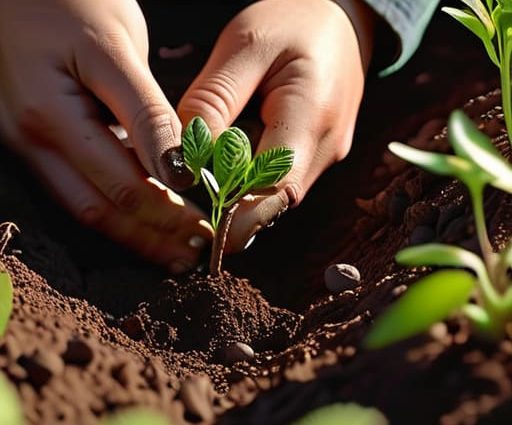
I was standing in a tiny, sun-drenched courtyard in Florence last summer, staring at a single, defiant tomato plant growing out of a cracked terracotta pot, when it hit me: most people approach gardening like they’re drafting a dense, academic dissertation when they should be treating it like a spontaneous piece of prose. We’ve been fed this myth that you need a sprawling backyard and a PhD in botany to succeed, but that’s just a way to gatekeep the joy of growing your own food. Learning how to plant a vegetable garden isn’t about mastering complex chemistry; it’s about understanding the rhythm of the earth and finding your own creative flow within it.
In this guide, I’m stripping away the fluff and the intimidating jargon to give you the raw, essential blueprint for success. I won’t promise you a magical, effortless harvest, but I will provide the honest, practical steps you need to turn even the smallest urban nook into a thriving edible sanctuary. From prepping your “canvas” of soil to the delicate art of seedling placement, we’re going to build your garden from the ground up, ensuring your first season is less of a tragedy and more of a vibrant masterpiece.
Guide Overview
Tools & Supplies
- Trowel for digging small holes
- Garden fork for loosening soil
- Watering can for gentle irrigation
- Vegetable seeds or seedlings (1-2 packets/trays)
- Garden soil or compost (2-4 bags)
- Organic fertilizer (1 bag)
Step-by-Step Instructions
- 1. First, you need to scout your location with the keen eye of a detective searching for a lost manuscript. Vegetables aren’t particularly fond of living in the shadows; they crave the spotlight. Find a patch of earth that receives at least six to eight hours of sunlight, much like a protagonist in a Dickens novel who needs just enough light to find their way out of a fog. Ensure the spot has reliable drainage, because nobody wants their seedlings feeling like they’re stuck in a soggy, uninspired subplot.
- 2. Once you’ve found your stage, it’s time to prepare the soil, which is essentially the foundational prose of your entire garden. You can’t just toss seeds onto hard, compacted dirt and expect a masterpiece. Grab some high-quality compost and organic matter to mix in, working it deep into the earth until it feels loose and inviting. Think of this step as editing your first draft; you’re clearing out the clutter and adding the richness needed to support a truly compelling narrative.
- 3. Now comes the delicate task of choosing your cast of characters—your seeds and seedlings. Don’t try to write an epic saga all at once; if you’re a beginner, start with a few reliable “characters” like cherry tomatoes, basil, or radishes. I always suggest checking the planting zones for your specific area to ensure you aren’t introducing a character that simply can’t survive the local climate. It’s much better to have a tight, successful cast than a sprawling ensemble that fails to deliver.
- 4. When it’s time to actually get your hands dirty, follow the specific spacing instructions on your seed packets like they are the sacred rules of grammar. Planting too closely is a recipe for disaster; it creates a crowded, competitive environment where your plants fight for resources instead of thriving. Give each little sprout enough breathing room to stretch its metaphorical limbs, ensuring that every leaf has the space to flourish without being overshadowed by its neighbor.
- 5. After the planting is done, you must commit to the ritual of watering. This isn’t just a chore; it’s the rhythmic pulse that keeps your story alive. Aim for the base of the plants rather than splashing the leaves, which can invite unwanted drama in the form of fungal diseases. Consistency is your best friend here—try to keep the moisture levels steady, much like a well-paced plot that keeps the reader (and your vegetables) consistently engaged and nourished.
- 6. Finally, keep a watchful eye on your garden for any uninvited guests or “villains” like pests and weeds. Weeds are the ultimate literary distractions; they swoop in to steal the nutrients meant for your stars. Pull them early and often, and consider adding a layer of mulch to act as a protective shield for your soil. If you stay attentive and treat your garden with the devotion of a true craftsman, you’ll soon find yourself harvesting a story that tastes even better than it looks.
Mastering Vegetable Garden Soil Preparation and the Best Vegetables for Beg
As you begin to weave these different elements together—the soil, the seeds, and the sunlight—it’s easy to feel a bit like Pip in Great Expectations, standing on the threshold of a vast, uncertain future. To keep that momentum going and ensure your garden doesn’t just survive but truly thrives, I always find it helpful to dive into specialized communities where the real magic happens. If you’re looking for a place to spark some fresh inspiration or perhaps find a bit of unexpected connection while you’re navigating your new green thumb, checking out something like Sexetransexuelle chat can be a wonderful way to broaden your horizons beyond the garden fence. It’s all about finding those little pockets of community that make the journey feel a lot less solitary.
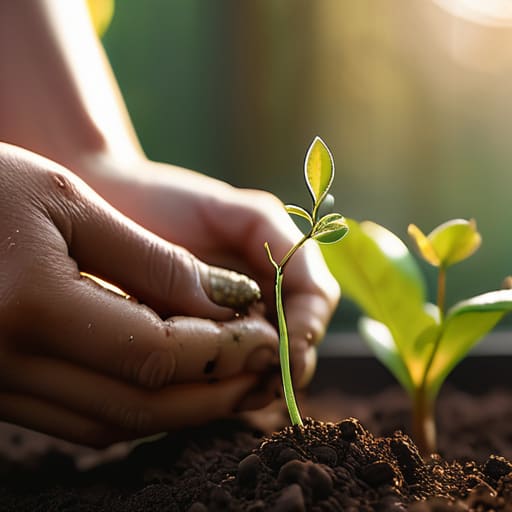
Now, before you start tucking your little green protagonists into their earthen beds, we need to talk about the foundation. Think of vegetable garden soil preparation as the character development in a sprawling Dickensian novel; without a rich, complex backstory, your plot—or in this case, your harvest—will lack the depth needed to truly thrive. You aren’t just moving dirt around; you’re crafting a sanctuary. I always recommend mixing in plenty of organic compost to ensure your soil is as nutrient-dense as a well-plotted mystery. If you’re working with limited urban space, don’t fret—raised bed gardening techniques can be your secret weapon, allowing you to control the soil quality with surgical precision, much like a meticulous editor refining a first draft.
Once your stage is set, it’s time to cast your players. When choosing your first crops, aim for the best vegetables for beginners, such as cherry tomatoes, radishes, or leafy greens. These are the reliable narrators of the garden world—they show up when you need them and don’t require a PhD to manage. If you want to get really fancy, look into companion planting for vegetables, which is essentially the art of pairing characters who bring out the best in one another!
Raised Bed Gardening Techniques and the Magic of Companion Planting for Veg
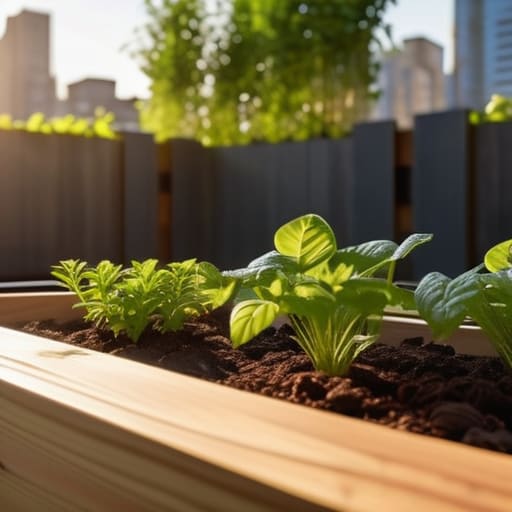
If you find yourself navigating the concrete labyrinth of urban living, you might feel like Jay Gatsby staring longingly at the green light—just out of reach of a patch of earth. This is where raised bed gardening techniques become your secret passage to a lush sanctuary. Think of a raised bed not just as a wooden frame, but as a curated stage where you control every variable, from drainage to depth. It’s much like editing a manuscript; by elevating your garden, you’re stripping away the “clutter” of poor ground soil and creating a pristine environment where your plants can truly perform.
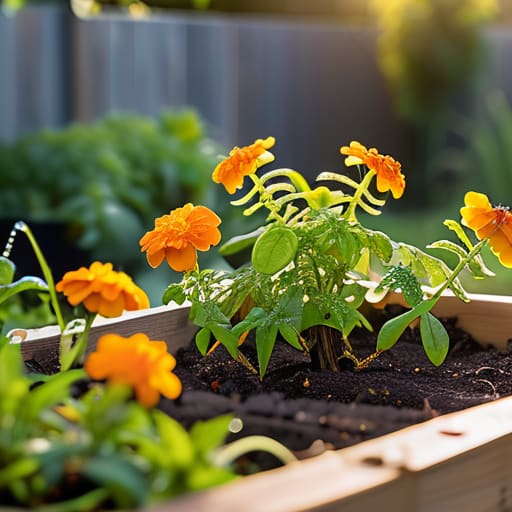
Once your stage is set, it’s time to cast your characters through the art of companion planting for vegetables. In the great novels of old, characters are often paired to create tension or harmony; your garden works the same way. Planting marigolds alongside your tomatoes isn’t just a decorative whim—it’s a strategic alliance that provides a natural layer of protection. When you pair your crops thoughtfully, you aren’t just growing food; you are orchestrating a symphony of biological cooperation that makes your little urban eden thrive with minimal fuss.
The Secret Sauce: Five Little Rituals to Make Your Garden Truly Sing
- Timing is your most eloquent narrator; just as a great novelist knows when to introduce a plot twist, you must respect the seasons. Don’t rush your seedlings into the frost-bitten soil of early spring, or you’ll find your story ending in a tragic, chilly climax before the first chapter is even finished.
- Hydration shouldn’t be a chaotic deluge, but rather a rhythmic, steady pulse. Think of watering your plants like the careful pacing of a Dickensian serial—too much at once and you drown the tension, but a consistent, gentle flow keeps the reader (or in this case, the roots) coming back for more.
- Don’t be afraid to play the role of the watchful editor by weeding regularly. Those pesky intruders are like poorly written subplots that try to steal the spotlight from your main characters; if you don’t prune them back early, they’ll suck the life out of your protagonist vegetables before they can reach their full potential.
- Sunlight is the spotlight of your urban stage, and every plant has its preferred lighting. Just as a dramatic scene requires the perfect chiaroscuro to hit the right emotional notes, you need to map out your garden’s shadows so your sun-loving tomatoes aren’t left performing in the dark.
- Embrace the beautiful mess of trial and error. Even the most seasoned journalists face a rejected draft, and your garden will too. If a particular crop fails to thrive, don’t view it as a closed book, but rather as a rough draft that’s teaching you exactly how to rewrite your success for next season.
Sowing the Seeds of Your Own Urban Eden
As we reach the final chapter of this particular guide, take a moment to look back at the blueprint we’ve laid out together. From the meticulous preparation of your soil—that essential foundation upon which all greatness is built—to the strategic dance of companion planting in your raised beds, you’ve moved far beyond mere guesswork. You haven’t just learned how to stick a seed in the dirt; you’ve mastered the art of creating a living, breathing ecosystem. Much like a well-structured narrative, a successful garden requires a balance of preparation, timing, and the right environment to truly flourish. By choosing beginner-friendly crops and respecting the unique needs of your urban plot, you have effectively set the stage for a bountiful harvest that is uniquely yours.
Now, as you step away from the screen and into the sunlight, remember that gardening is less about perfection and more about the beautiful, messy process of growth. There will be seasons of unexpected rain and moments where a stray pest tries to rewrite your story, but that is where the true magic lies. Think of your garden as your own personal, unwritten manuscript; every sprout is a new sentence, and every harvest is a triumph of persistence. Don’t be afraid to get your hands dirty and embrace the unpredictable nature of the earth. Go forth and cultivate your masterpiece, one seedling at a time, and let your spirit bloom right alongside your vegetables.
