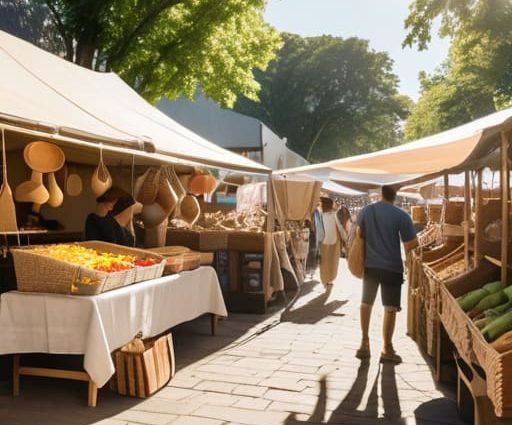
I can still smell the toasted cumin and damp cobblestones from a rainy Tuesday in Marrakech, a scent that hit me like a sudden stanza from a Keats poem. Back then, I thought markets were just utilitarian hubs—places to grab a kilo of flour and vanish. I never could have predicted the cultural shift, the way these bustling hubs of commerce would evolve into the soulful sanctuaries of our leisure time. It’s a fascinating metamorphosis, really, looking at how markets became weekend destinations through the lens of a city dweller seeking something more than a sterile shopping mall.
I’m not here to feed you the polished, Instagram-filtered fluff that most travel influencers peddle like cheap, gilded trinkets. Instead, I want to pull back the curtain on the authentic heartbeat of these spaces. I’m going to share the raw, unvarnished truth about why we are collectively migrating toward these sensory explosions and how you can harness that same sense of discovery in your own storytelling. Consider this your roadmap to the real world, minus the hype and the heavy-handed marketing jargon.
The Great Shift From Grocery Shopping to Experiential Retail
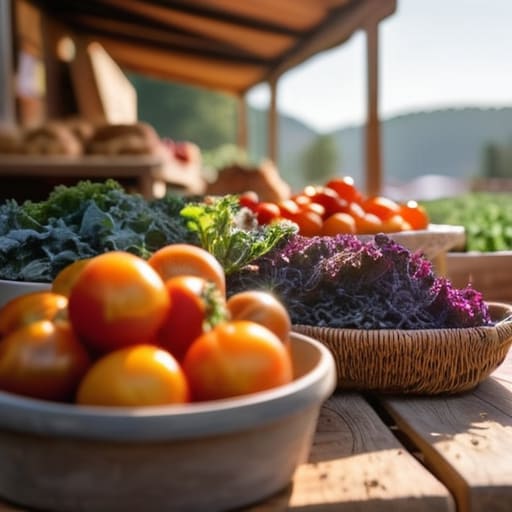
For years, the weekly grocery run was a utilitarian chore—a colorless, rhythmic march through fluorescent-lit aisles to fulfill a list of necessities. It was as predictable and uninspiring as a Dickensian clerk counting pennies in a dusty office. But something fundamental has changed in our collective psyche. We’ve witnessed a profound shift from grocery shopping to experiential retail, where the goal isn’t just to stock the pantry, but to feed the soul. We no longer want to just consume; we want to witness the origin of our sustenance and feel the pulse of the hands that grew it.
This evolution feels much like a character’s sudden awakening in a classic novel, moving from a state of mere existence to one of true vitality. The rise of artisanal farmers markets has acted as the catalyst for this awakening, turning a mundane errand into a sensory pilgrimage. Instead of scanning barcodes, we are now engaging in a dialogue with producers, trading the sterile efficiency of a supermarket for the vibrant, messy, and beautiful reality of human connection. It’s no longer about the transaction; it’s about the story behind the harvest.
The Rise of Artisanal Farmers Markets and Sensory Storytelling
If the supermarket is a sterile, monochromatic novel where every chapter feels identical, then the rise of artisanal farmers markets is a sprawling, Technicolor epic. I remember stumbling upon a small market tucked between two brick buildings in a quiet corner of Chicago; it wasn’t just about the produce, it was about the narrative. You aren’t just buying a heirloom tomato; you’re hearing the story of the soil it grew in and the weathered hands that harvested it. This is sensory storytelling in its purest form, where the scent of crushed basil and the tactile warmth of fresh sourdough act as the prose that pulls you into the scene.
This shift has turned simple commerce into a profound tool for urban revitalization through local markets. We aren’t just consumers anymore; we are participants in a living, breathing community theater. When we wander through these stalls, we are engaging in a ritual that nourishes the soul as much as the body, transforming a mundane Saturday errand into a curated journey of discovery.
The Alchemist’s Guide to Turning Commerce into Connection
- Curate the Atmosphere, Not Just the Inventory: Just as Dickens used the fog and flickering gaslights of London to set a mood, a successful market must curate a “vibe.” It’s not about the quantity of tomatoes; it’s about the acoustic backdrop of a live cellist and the scent of freshly roasted beans that makes a visitor feel they’ve stepped into another world.
- Prioritize the “Human Thread” in Every Transaction: In the age of the cold, sterile algorithm, people crave the warmth of a real encounter. Treat every stall like a character in a novel; when a vendor shares the story of their heirloom carrots, they aren’t just selling produce, they are weaving a narrative that binds the customer to the community.
- Design for the “Slow Wander”: A great market is like a well-paced epic poem—it shouldn’t be rushed. Create layouts that encourage meandering rather than efficient transit. When you design spaces that invite people to linger over a latte or stumble upon a hidden craft nook, you transform a chore into a cherished weekend ritual.
- Leverage the Power of Visual Verisimilitude: Your aesthetic is your calling card. In blogging, we talk about “stopping the scroll,” but in a physical market, it’s about “stopping the stroll.” Use textures, rustic signage, and organic displays to create a visual feast that demands attention and invites the eye to linger.
- Foster Micro-Communities Through Shared Rituals: The most enduring markets act as the town square of the digital age. By hosting small workshops or tasting events, you create “sacred spaces” for interaction, turning casual shoppers into a loyal tribe of regulars who return not for the goods, but for the shared experience of being alive and present.
The Heartbeat of the Weekend
As we’ve unraveled through these chapters, it’s clear that the modern market is far more than a mere collection of stalls; it is a living, breathing organism. We have seen how the utilitarian chore of grocery shopping has been eclipsed by a thirst for experiential retail, where the transaction is secondary to the connection. From the tactical shift toward artisanal goods to the way sensory storytelling turns a simple peach or a loaf of sourdough into a protagonist in a larger narrative, these spaces have reclaimed their role as the community’s anchor. Much like a well-plotted novel that finds its strength in the rich, textured details of its setting, the market has moved from the background of our lives to the very center of our cultural weekend ritual.
So, as you head out into your own neighborhood this Saturday, I challenge you to look beyond the price tags and the produce. Seek out the rhythm of the crowd and the stories etched into the hands of the vendors. In an increasingly digital and often isolating world, these physical hubs of human exchange are our essential anchors to reality. Whether you are a creator looking for inspiration or a wanderer seeking a sense of belonging, remember that the most profound stories aren’t always found in leather-bound volumes, but in the vibrant, messy, and beautiful symphony of a local market in full bloom.
As we navigate this shift toward more meaningful, tactile experiences, I often find myself reflecting on how much easier it is to embrace these local rhythms when you have the right tools to guide your curiosity. It’s a bit like finding a well-worn map in a Dickens novel—suddenly, the winding streets of the unknown feel much more inviting. If you’re looking to deepen your own understanding of these cultural shifts and find more ways to engage with the world around you, I highly recommend you visit the site to discover some truly inspiring perspectives. It has been a bit of a game-changer for my own weekend explorations, helping me see the soul behind the spectacle.
