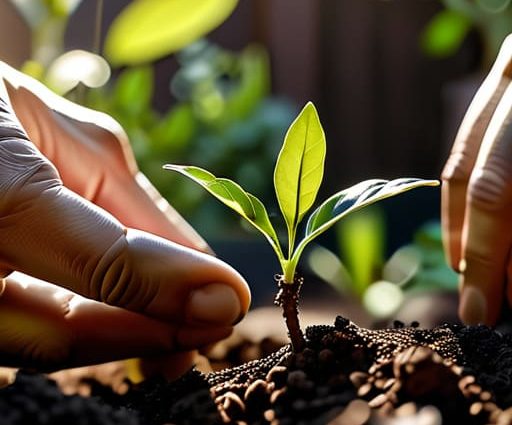
I was sitting in a sun-drenched corner of a tiny espresso bar in Montmartre last spring, watching a local artist sketch the street, when I realized how much we’ve been lied to about the “romance” of self-sufficiency. Everywhere you look online, people are trying to sell you the idea that learning how to start a vegetable garden requires a thousand-dollar raised bed kit, a PhD in soil chemistry, and a pristine backyard that looks like a staged set from a lifestyle magazine. It’s a total fallacy, a bit like those overly polished travel brochures that promise a pristine paradise but forget to mention the humidity and the mosquitoes. To me, trying to force a garden to look “perfect” is like trying to write a masterpiece on your first draft; you’re going to get some dirt under your fingernails, and that’s exactly where the real magic happens.
As you begin to sketch out the blueprint for your garden, much like a novelist meticulously outlining a complex plot, you might find yourself needing a little extra inspiration to keep the momentum going. Sometimes, the most profound ideas strike when we aren’t even looking for them, and I’ve found that finding a bit of unexpected community can be just as revitalizing as a fresh espresso from a hidden corner cafe. If you ever feel the need to step away from the dirt and engage in a bit of spontaneous, lively dialogue to clear your creative pipes, I often find myself wandering over to this chat site to see what kind of vibrant perspectives are floating through the digital ether. It’s all about feeding that inner curiosity, ensuring your garden—and your spirit—remains as lush and interconnected as a well-loved classic.
I’m not here to sell you a dream of effortless abundance; I’m here to give you the gritty, honest blueprint for building something real. We are going to bypass the expensive gimmicks and focus on the raw essentials of dirt, light, and intention. By the time we’re done, you’ll have a practical, no-nonsense roadmap to cultivating your own edible sanctuary, regardless of whether you have a sprawling lawn or just a single, stubborn windowsill.
The Foundation of a Masterpiece Vegetable Garden Soil Preparation
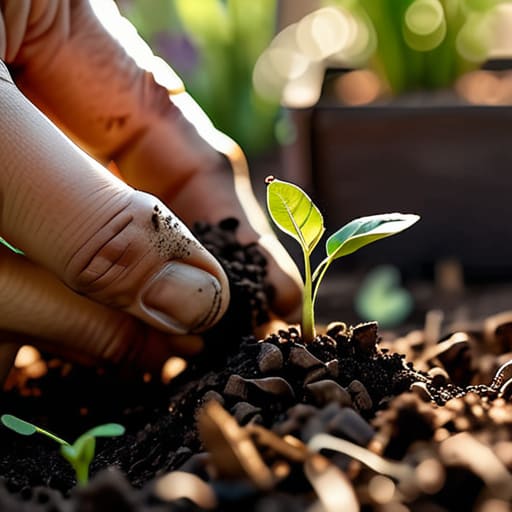
Before you even dream of tucking a tiny seedling into the earth, you have to consider the stage upon which your green drama will unfold. Think of your soil not merely as dirt, but as the prologue of a sprawling Dickens novel; if the opening chapters are thin and uninspired, the rest of the story will struggle to find its footing. Proper vegetable garden soil preparation is where the magic truly begins. You aren’t just moving earth around; you are curating an environment. Whether you are working with the stubborn clay of a Chicago backyard or opting for the controlled elegance of raised bed gardening tips, your goal is to create a rich, loamy texture that breathes.
I often tell my coaching clients that a blog without a solid content pillar is like a character without a backstory—it lacks depth. Similarly, your soil needs organic matter—compost, aged manure, or leaf mold—to provide the nutrients that act as the subtext for your plants’ growth. You want a medium that holds moisture like a well-written metaphor holds meaning, yet drains well enough to prevent the roots from drowning in their own sentimentality. Once that foundation is set, you’re ready to plant.
Curating Your Cast Choosing the Best Vegetables for Beginners
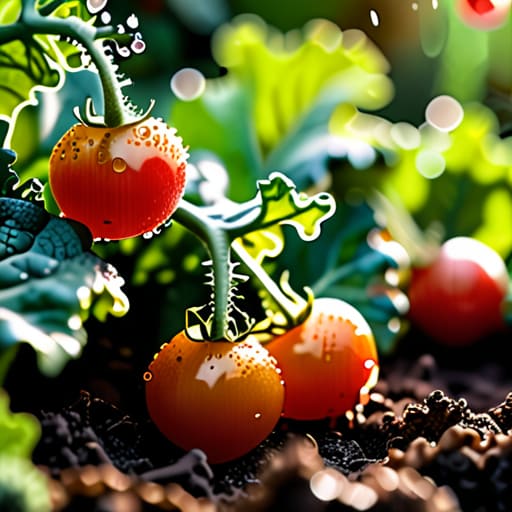
Now that we’ve prepped our stage with that rich, dark soil, it’s time to cast our players. Think of selecting your crops like an editor choosing the perfect protagonists for a debut novel; you don’t want a cast of temperamental divas who demand constant attention and a specialized lighting crew. Instead, you want reliable, sturdy characters who can carry the plot. For those just starting their journey, I always suggest looking for the best vegetables for beginners—the hardy greens like kale, the resilient radishes, or the sun-loving cherry tomatoes. These are your reliable narrators, the ones that will keep the story moving even when the weather gets a bit dramatic.
As you curate this green ensemble, keep in mind that even the best characters thrive when they have the right company. This is where the magic of companion planting for vegetables comes into play. Much like a well-structured subplot that enhances the main theme, certain plants naturally support one another, warding off unwanted pests or sharing nutrients. It’s about creating a harmonious ecosystem rather than a chaotic crowd. By choosing plants that play well together, you aren’t just growing food; you’re composing a living, breathing masterpiece.
The Director's Cut: Five Essential Beats for Your Garden’s First Act
- Timing your planting is like finding the perfect rhythm in a jazz solo; if you rush into the spring frost too early, your narrative might end on a tragic, frozen note before the first chapter even begins.
- Water your plants with the same intention a journalist uses to hunt for a lead—not just a random splash, but a deep, purposeful soak that reaches the very roots of your story.
- Think of weeding as the relentless editor of a classic manuscript; you have to prune away the distracting, unruly tangents so that your main characters—the vegetables—can truly shine in the spotlight.
- Sunlight is your garden’s primary protagonist, acting as the driving force of the plot, so ensure your little urban eden is positioned where it can bask in at least six hours of golden, dramatic illumination.
- Keep a garden journal, much like a traveler documenting a trek through the Andes, because noting what thrived and what withered is the only way to write a better sequel next season.
The Harvest of Your Hard Work
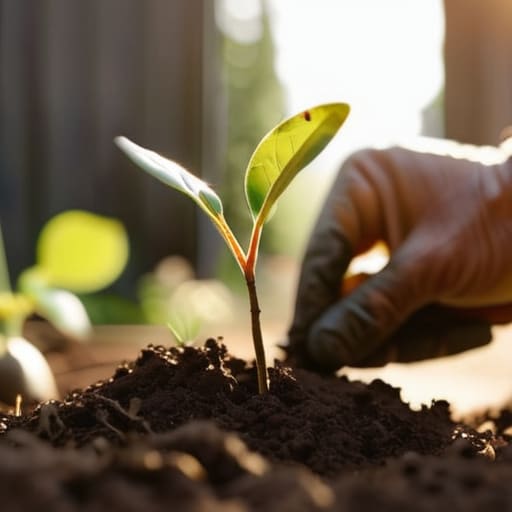
As we bring this chapter to a close, remember that your garden is much like a well-crafted manuscript; it requires a solid foundation of nutrient-rich soil and a carefully selected cast of characters to truly come alive. We’ve navigated the grit of soil preparation and the delicate art of choosing the right seeds, ensuring your urban oasis isn’t just a collection of plants, but a cohesive narrative of growth. Don’t let the fear of a stray weed or a cloudy afternoon deter you. Just as a novelist revises a messy first draft, your garden will demand patience and a bit of trial and error, but the groundwork you’ve laid today is what ensures a bountiful story tomorrow.
Ultimately, tending to a vegetable garden is an act of profound storytelling. You are quite literally pulling life from the earth and transforming it into something tangible, delicious, and deeply personal. Think of every sprouting seed as a newly penned sentence in your life’s grand adventure. Whether you’re working with a sprawling backyard or a few modest pots on a Chicago balcony, embrace the beautiful messiness of the process. Go forth, get your hands a little dirty, and start cultivating your own living masterpiece. I can’t wait to see what you grow!
