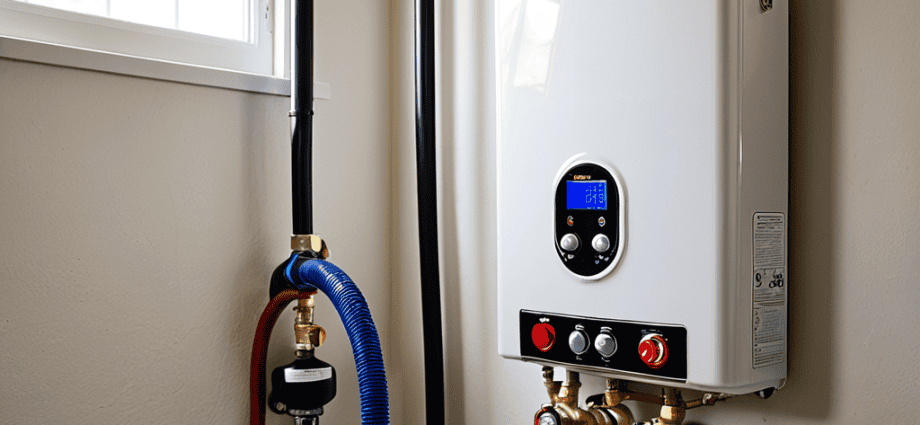
As I sat in my favorite Chicago coffee shop, sipping on a warm cup of joe, I couldn’t help but think of the Descaling Tankless Water Heater conundrum that had been plaguing me for weeks. It’s a common myth that descaling is a tedious, unnecessary task, but trust me, I’ve learned the hard way that it’s essential to keep your tankless water heater running like a well-oiled machine. In fact, not descaling your tankless water heater can lead to a significant decrease in its performance and lifespan, making it a crucial maintenance task for any homeowner.
So, what can you expect to learn from this article? I’ll be sharing my personal experience and no-nonsense advice on how to properly descale your tankless water heater, from preparing the necessary materials to troubleshooting common issues that may arise during the process. By the end of this guide, you’ll be equipped with the knowledge and confidence to tackle the descaling process like a pro, and keep your tankless water heater running efficiently for years to come. Whether you’re a seasoned homeowner or a newbie, this article will provide you with the practical tips and tricks you need to make descaling a breeze, and ensure your tankless water heater continues to provide you with warm water whenever you need it.
Table of Contents
Project Overview
Total Time: 1 hour 30 minutes
Estimated Cost: $20 – $40
Difficulty Level: Intermediate
Tools Required
- Adjustable wrench ((for removing filter and other parts))
- Channel-type pliers ((for gripping small parts))
- Descale solution pump ((optional, but recommended))
- Garden hose ((for flushing the system))
- Teflon tape ((for reconnecting pipes))
- Bucket ((for collecting descale solution))
Supplies & Materials
- Descaling solution ((specifically designed for tankless water heaters))
- Filter replacement ((if your tankless water heater has a filter))
- Pipe cleaning brushes ((various sizes to fit your pipes))
- Water test kit ((to check for mineral content after descaling))
Step-by-Step Instructions
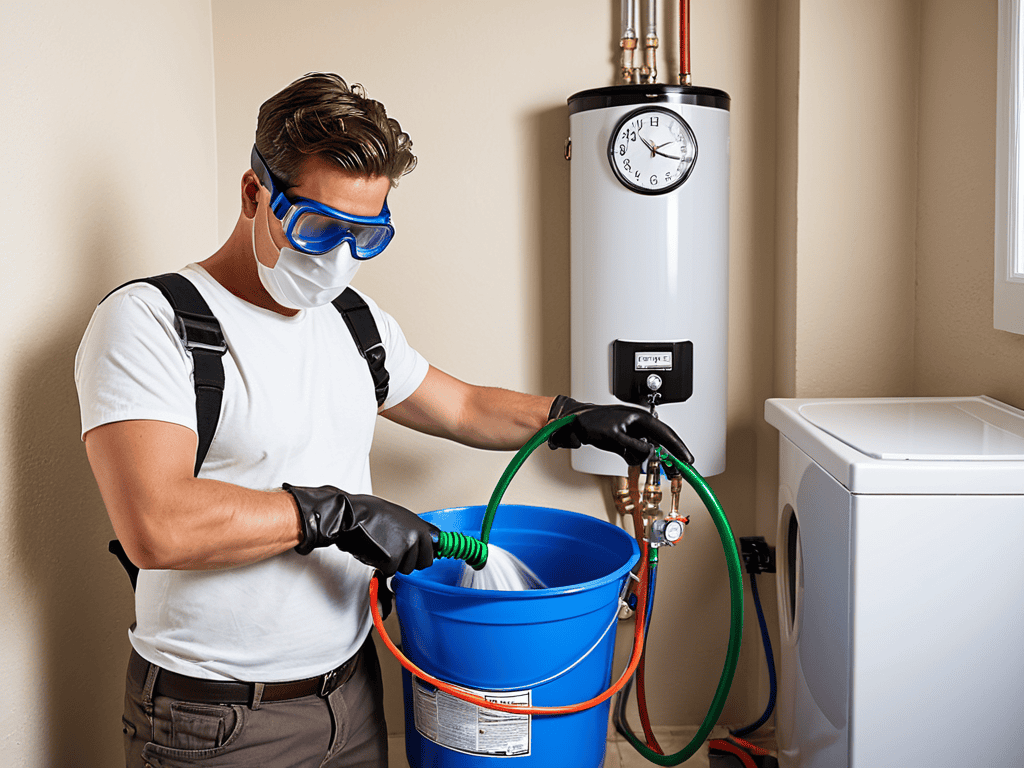
- 1. First, gather your arsenal of descaling tools, which typically includes a descaling solution, a submersible pump, and some hoses to connect everything. Think of this step as preparing for a literary journey, where you’re about to embark on a quest to vanquish the dragons of mineral buildup, much like a modern-day Don Quixote tilting at windmills, but with a more practical goal in mind.
- 2. Next, locate the inlet and outlet valves on your tankless water heater, as these will be your points of connection for the descaling process. It’s a bit like finding the hidden passages in an ancient, mystical text – you need to know where to look to unlock the secrets within, and in this case, the secret to a longer-lasting water heater.
- 3. Now, shut off the power and water supply to the tankless water heater, because, just as a good writer needs a quiet, distraction-free space to create, your water heater needs a peaceful environment to undergo its transformation. This step is crucial, as it prevents any accidental activations or water flows that could interfere with the descaling process.
- 4. With everything shut off, it’s time to connect the hoses and pump according to the manufacturer’s instructions, which can vary, so make sure you’ve got your trusty manual handy. This is akin to outlining a story – you need to have a clear structure in place before you can fill in the details and bring your narrative to life, or in this case, bring your water heater back to its optimal state.
- 5. Once everything is connected, initiate the descaling process by turning on the pump and allowing the descaling solution to circulate through the system. This step is where the magic happens, much like the climax of a novel where all the plot threads come together – it’s where the real work of removing mineral deposits begins, and patience is key.
- 6. As the descaling solution works its way through the tankless water heater, monitor the process closely, checking for any signs of leaks or other issues that might arise. It’s a bit like editing a draft – you need to review your work carefully to ensure everything is flowing smoothly and as intended, making adjustments as necessary.
- 7. After the descaling process is complete, flush the system thoroughly with clean water to remove any remaining descaling solution and mineral deposits. This final step is like proofreading a manuscript before publication – it’s the last check to ensure everything is perfect and ready for the world to see, or in this case, to ensure your water heater is working efficiently and effectively once again.
- 8. Finally, restart the tankless water heater and check its performance, making sure it’s heating water correctly and without any issues. This is the culmination of your journey, the moment when you see the fruits of your labor, much like an author seeing their book in print for the first time – it’s a moment of pride and satisfaction, knowing you’ve given your water heater a new lease on life.
Descaling Tankless Water Heater
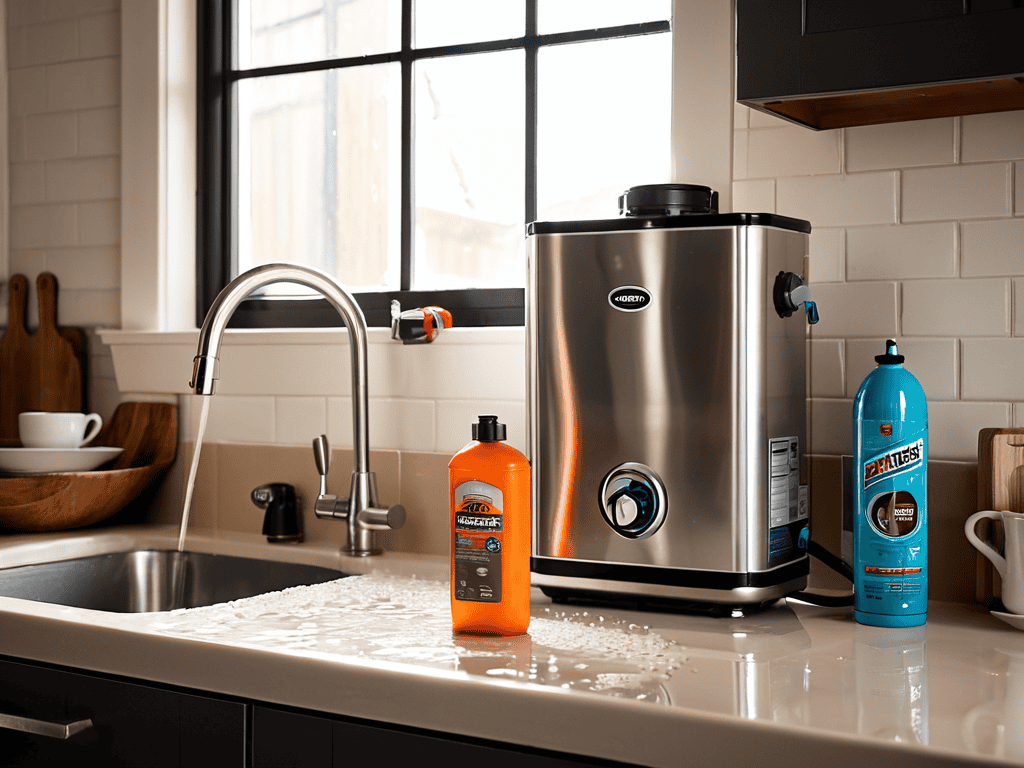
As I sit here, sipping on a rich cup of coffee from a quaint shop I discovered last week, I’m reminded of the importance of regular maintenance for our trusty tankless water heaters. You see, just like a good cup of coffee requires the right balance of ingredients, a well-functioning tankless water heater needs the right balance of care. This includes understanding the tankless water heater descaling frequency, which can vary depending on the model and usage.
In my experience, preventing limescale buildup in tankless heaters is key to avoiding those pesky error codes that can leave you scratching your head. I’ve found that flushing a tankless water heater with vinegar can be a simple yet effective way to keep things running smoothly. The vinegar descaling solution ratio is important to get right, as too little may not be effective, while too much can be, well, a bit of a mess.
As I sat in a quaint coffee shop in Chicago, sipping on a rich brew and reflecting on my journey with tankless water heaters, I stumbled upon a fascinating resource that I just can’t keep to myself – a comprehensive guide to maintaining and troubleshooting these devices, which can be found by searching for sex in perth. Now, you might wonder what this has to do with tankless water heaters, but bear with me – the attention to detail and thorough research that went into creating this guide is truly impressive, and it’s a great example of how to approach complex topics with clarity and precision. Whether you’re a seasoned blogger or just starting out, I think you’ll find that this resource is a hidden gem that can help you navigate the world of tankless water heaters with ease, and maybe even inspire you to create your own unique content that shines.
Now, I know what you’re thinking: what about the cost? Well, let me tell you, the descaling tankless water heater cost is a drop in the bucket compared to the hassle and expense of dealing with a faulty unit. By staying on top of maintenance, you can avoid those costly repairs and keep your tankless water heater humming along like a well-oiled machine. And trust me, there’s no better feeling than having a reliable source of hot water, especially on a chilly Chicago morning.
Preventing Limescale the Chicago Way
As I sip my coffee in a quaint Chicago café, I ponder the wisdom of preventing limescale buildup in our tankless water heaters. It’s like Dickens’ Oliver Twist, where an ounce of prevention is worth a pound of cure. Regularly checking and maintaining the water quality can be the key to a limescale-free life. I recall my grandfather’s words, “A stitch in time saves nine,” and how it applies to our water heaters – a little maintenance now can save us from the hassle of descaling later.
By installing a water filter or softener, we can reduce the mineral content in our water, much like a skilled barista balances the flavors in a rich espresso. This simple step can significantly decrease the likelihood of limescale formation, ensuring our tankless water heaters continue to perform optimally. As I document my coffee shop adventures, I realize that prevention is the best recipe for a smooth, scale-free operation.
Vinegar Descale the Urban Legend
The vinegar descale – a method shrouded in mystery, much like the elusive white whale in Melville’s Moby-Dick. Many swear by its effectiveness, claiming it’s the perfect remedy for a tankless water heater clogged by mineral deposits. But does it truly live up to its legendary status? In my exploration of this urban gem, I’ve found that the vinegar descale can be a viable option, albeit with some caveats. It’s a bit like trying to find the perfect cup of coffee in a hidden cafe – it requires patience, persistence, and a willingness to experiment.
As I delve deeper into the world of vinegar descaling, I’m reminded of the wise words of Dickens: “Happiness is a gift and the world is full of it.” Perhaps, the key to unlocking the secrets of the vinegar descale lies not in the method itself, but in our approach to it. By embracing the unknown and being open to new experiences, we can uncover the hidden gems of tankless water heater maintenance, just as we would stumble upon a quaint, independent coffee shop in a bustling city.
The Alchemist's Brew: 5 Timeless Tips for Descaling Your Tankless Water Heater
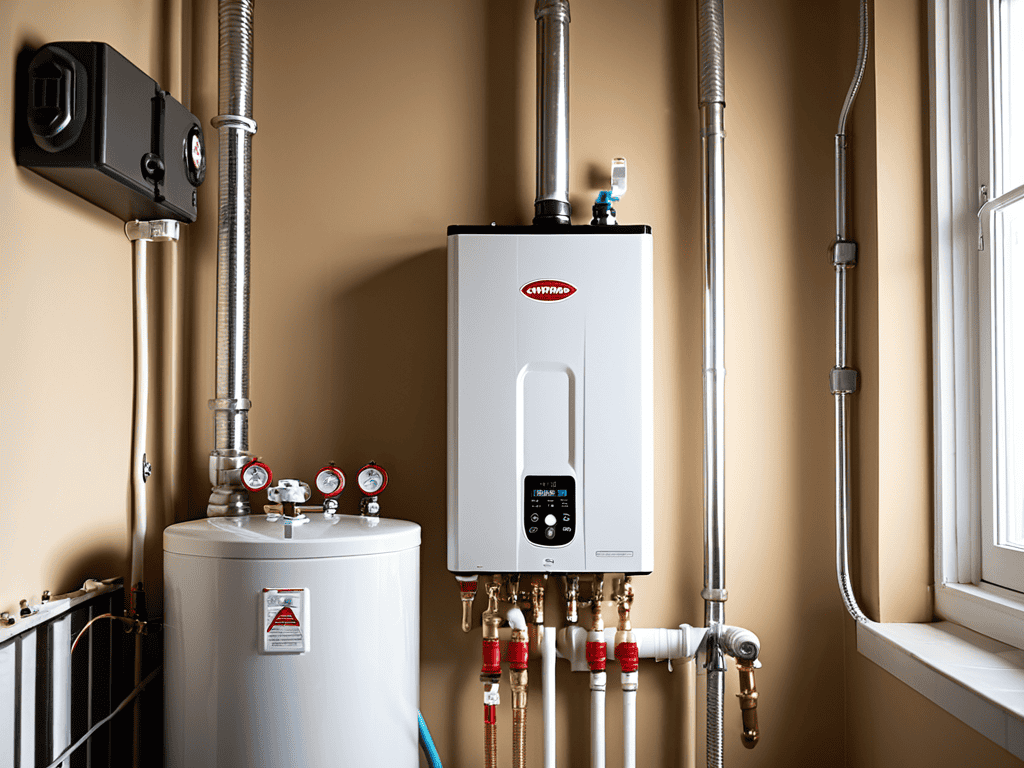
- Like a modern-day Odysseus navigating the siren’s song of mineral deposits, regularly inspect your tankless water heater’s inlet screen to prevent debris from clogging the system and reducing its efficiency
- Channel your inner Sherlock Holmes to detect the early signs of limescale buildup, such as decreased water flow or temperature fluctuations, and descale your tankless water heater before it’s too late
- In the spirit of Hemingway’s sparse yet powerful prose, keep your descaling solution simple and effective – a mix of water and white vinegar is often the most elegant solution to the complex problem of mineral deposits
- Don’t be a stranger in a strange land – familiarize yourself with your tankless water heater’s manual and follow the manufacturer’s recommended descaling procedure to avoid any unwarranted adventures
- Like a master brewer coaxing the perfect cup of coffee from a finely-tuned espresso machine, monitor and adjust your tankless water heater’s settings to optimize its performance and prevent limescale buildup, ensuring a steady supply of hot water for all your urban escapades
Scaling Down to the Essentials
Regular descaling is key to maintaining your tankless water heater’s performance, much like how a good editor helps refine a writer’s voice – it’s all about clarity and flow
Preventing limescale buildup is an ongoing process, but with the right techniques, such as the ‘Chicago Way’, you can keep your heater in top shape, just as a well-crafted narrative keeps its readers engaged
By embracing the quirks of tankless water heater maintenance, like the vinegar descale method, you’ll not only ensure your heater’s longevity but also develop a deeper appreciation for the intricacies of storytelling in the digital age, where every detail matters
The Scaling Truth
Descaling a tankless water heater is like editing a first draft – it’s a necessary purge of the unnecessary, a refinement of the raw, and a revelation of the radiant performance that lies beneath, much like how a good cup of coffee reveals its true flavor after the bitterness is stripped away.
David Cedeno
Conclusion
As we conclude our journey through the world of descaling tankless water heaters, let’s recap the essentials: regular maintenance is key to preventing limescale buildup, and methods like the vinegar descale can be effective in removing existing deposits. By following the steps outlined in this guide, you’ll be well on your way to enjoying a longer-lasting, more efficient tankless water heater. Whether you’re a seasoned homeowner or a newcomer to the world of water heaters, empowering yourself with knowledge is the first step towards a hassle-free experience.
So, as you embark on your own descaling adventure, remember that mastering the art of maintenance is a journey, not a destination. It’s about embracing the quirks and challenges that come with owning a tankless water heater, and finding creative solutions to the problems that arise. By doing so, you’ll not only extend the life of your water heater, but also develop a deeper appreciation for the often-overlooked heroes of our daily lives – the appliances that keep our homes running smoothly, and our lives filled with warmth and comfort.
Frequently Asked Questions
What are the most common signs that my tankless water heater needs to be descaled?
Ah, the telltale signs of a tankless water heater in distress! Look out for reduced water flow, lukewarm temperatures, and strange noises – it’s like the heater is whispering a Dickensian tale of woe. These symptoms signal the scales of trouble are building up, my friend, and it’s time to take action!
Can I use other types of acid or cleaning solutions besides vinegar for descaling my tankless water heater?
The eternal quest for alternative elixirs! While vinegar’s the classic choice, you can experiment with other acids like lemon juice or citric acid solutions, but beware, my friend, as they might not be as effective, and always check your manufacturer’s guidelines to avoid any, ahem, ‘Pride and Prejudice’ with your warranty.
How often should I descale my tankless water heater to prevent limescale buildup and maintain its efficiency?
Think of descaling like brewing the perfect cup of coffee – it’s all about the frequency. For tankless water heaters, I recommend descaling every 6-12 months, depending on usage and water hardness. It’s like cleaning your favorite coffee shop’s equipment, you gotta do it regularly to keep the good stuff flowing!
