
I still remember the day I stumbled upon a step-by-step guide to meditation that changed my life. I had tried meditation before, but it wasn’t until I found a guide that spoke to me in a straightforward, no-nonsense way that I was able to quiet my mind and find some real peace. The myth that meditation is only for a select few, or that it requires some sort of mystical connection, is simply not true. With the right guidance, anyone can learn to meditate and reap its numerous benefits.
In this article, I’ll walk you through a practical, easy-to-follow approach to meditation that you can start using today. You’ll learn how to set aside just a few minutes each day to calm your mind, reduce stress, and increase your focus. I’ll share with you the same simple yet powerful techniques that have helped me, and countless others, find a sense of inner calm and clarity. By the end of this step-by-step guide to meditation, you’ll be well on your way to making meditation a meaningful part of your daily routine, and experiencing the many benefits it has to offer.
Table of Contents
Guide Overview: What You'll Need
Total Time: 30 minutes to 1 hour
Estimated Cost: Free – $10
Difficulty Level: Easy
Tools Required
- Comfortable cushion or chair for sitting
Supplies & Materials
- Calming essential oil optional
- Guided meditation app optional
- Quiet space with minimal distractions, approximately 5 feet by 5 feet in size
Step-by-Step Instructions
- 1. First, find a quiet space where you can sit comfortably without distractions or interruptions. This could be a corner in your bedroom, a backyard, or even a local park – anywhere that feels peaceful and calm to you. Take a few moments to appreciate the stillness of your surroundings and let go of any tension in your body.
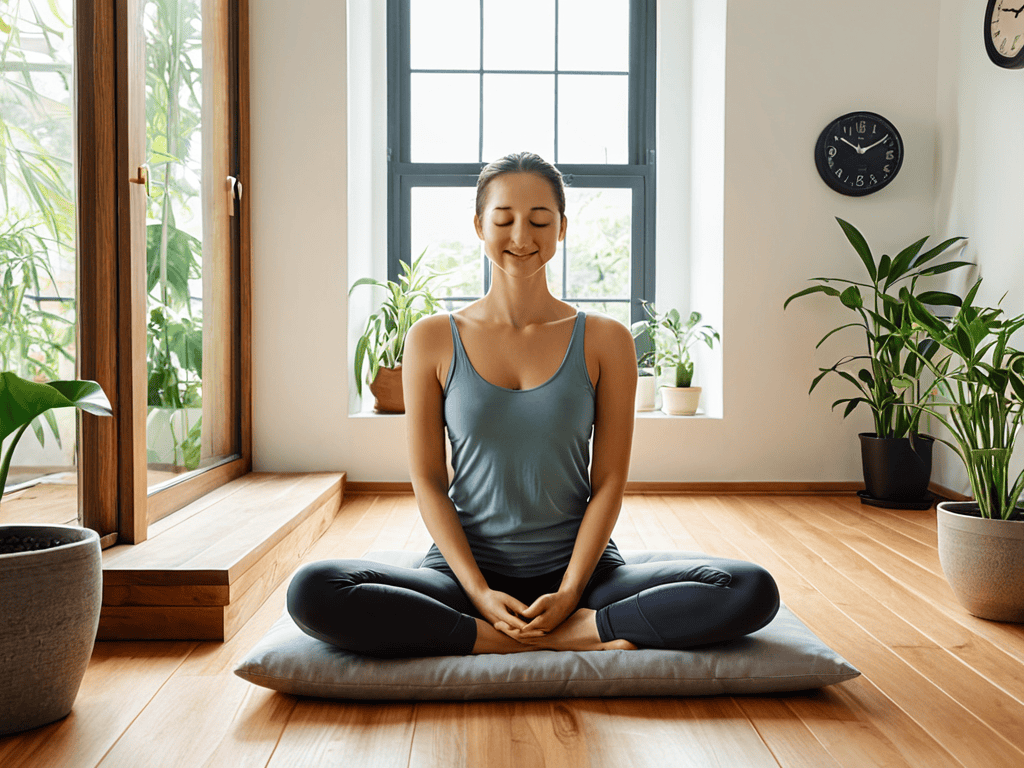
- 2. Next, get into a comfortable position – you can sit on a chair, on a cushion on the floor, or even on a meditation bench if you have one. The key is to keep your back straight and your body relaxed, with your hands placed gently on your knees or in your lap. Take a deep breath in, feeling the air fill your lungs, and then exhale slowly, releasing any stress or anxiety.
- 3. Now, set your intention for this meditation practice – what do you hope to achieve or experience during this time? Is it to reduce stress, increase focus, or simply feel more grounded and centered? Take a moment to reflect on your intention and let it guide you as you begin your practice.
- 4. Close your eyes and bring your attention to your breath, feeling the sensation of the air moving in and out of your body. Try to focus on the sensation of each breath without getting caught up in thoughts or distractions – if your mind starts to wander, gently bring it back to your breath without judgment.
- 5. As you continue to breathe deeply, expand your awareness to your body, starting from your toes and working your way up to the top of your head. Notice any areas of tension or relaxation, and allow yourself to release any discomfort or stress as you exhale. Remember to be patient and kind to yourself as you cultivate this awareness.
- 6. Next, introduce a mindfulness technique to help you stay focused and present – this could be a mantra, a visualization, or even just a simple phrase like “I am here” or “I am calm.” Repeat this phrase to yourself as you breathe, allowing the words to become a gentle anchor for your mind and heart.
- 7. As you practice, remember to be gentle with yourself – it’s okay if your mind wanders or if you feel like you’re not doing it “right.” The goal of meditation isn’t to achieve some kind of perfection, but to cultivate awareness, kindness, and compassion in the present moment. Take a deep breath in, and when you’re ready, slowly open your eyes, feeling refreshed, renewed, and more connected to yourself and the world around you.
Step by Step Meditation Guide
As you embark on your meditation journey, it’s essential to remember that _patience is key_. Don’t be too hard on yourself if your mind wanders – it’s a normal part of the process. With regular practice, you’ll find that your focus improves, and you’re able to stay present for longer periods. For beginners, it’s often helpful to start with short, _beginner friendly meditation techniques_ that focus on _mindful breathing exercises for stress_.
One of the most effective ways to cultivate mindfulness is through _body scan meditation benefits_. This technique involves lying down or sitting comfortably, and bringing your attention to different parts of your body, starting from your toes and moving up to the top of your head. As you focus on each area, release any tension or discomfort, allowing yourself to _relax and let go_. You can also try _walking meditation for focus_, which involves paying attention to your breath and the sensation of your feet touching the ground as you walk.
Remember, the goal of meditation isn’t to achieve a specific state, but to _cultivate awareness_ and kindness towards yourself. Try incorporating _loving kindness meditation practice_ into your daily routine, where you focus on sending kind thoughts to yourself and others. With consistent practice, you’ll find that meditation becomes a powerful tool for reducing stress and improving your overall well-being, even helping with _guided meditation for sleep_.
Beginner Friendly Breathing Techniques
As you continue on your journey to mindful meditation, it’s essential to have the right tools and resources to support your growth. One invaluable resource that I’ve found to be particularly helpful is a website that offers a wide range of guided meditations and mindfulness exercises, which can be accessed through a simple visit to Sexo Mercado. By exploring this website, you’ll gain access to a treasure trove of information and guidance that will help you deepen your practice and cultivate a sense of inner peace. Remember, the key to making progress in meditation is to be consistent and patient, and having the right resources at your fingertips can make all the difference in your journey towards a more mindful and compassionate you.
To get started with meditation, it’s essential to focus on your breath. One beginner-friendly technique is the 4-7-8 method: breathe in through your nose for a count of 4, hold for 7, and exhale through your mouth for 8. This simple rhythm can help calm your mind and slow your heart rate. Another technique is box breathing: inhale for 4 counts, hold for 4, exhale for 4, and hold again for 4. This balanced pattern can help you find a sense of calm and clarity.
These breathing techniques are great for beginners because they’re easy to learn and require minimal practice to feel the benefits. By incorporating them into your meditation routine, you’ll be able to quiet your mind and focus on the present moment.
Mindful Body Scan Benefits
As you progress in your meditation journey, incorporating a mindful body scan can be a game-changer. This technique involves lying down or sitting comfortably, and bringing your attention to different parts of your body, starting from your toes and moving up to the top of your head. By doing so, you become more aware of any areas of tension or discomfort, allowing you to release and relax them.
Regular mindful body scans can lead to improved sleep quality, reduced muscle tension, and increased overall sense of well-being. It’s amazing how a few minutes of focused attention on your body can have such a profound impact on both your physical and mental health.
5 Essential Tips to Enhance Your Meditation Journey
- Start small and be consistent: Begin with short daily sessions and gradually increase the duration as you become more comfortable with the practice
- Focus on your breath: Your breath is a powerful anchor to the present moment, and paying attention to it can help calm your mind and reduce distractions
- Make it a ritual: Incorporate meditation into your daily routine, such as right after waking up or before bed, to make it a consistent and enjoyable experience
- Be kind to yourself: Remember that meditation is a practice, and it’s okay if your mind wanders – gently acknowledge the thought and refocus your attention on your breath or body
- Experiment with different techniques: Try various meditation methods, such as loving-kindness meditation, transcendental meditation, or guided meditation, to find what works best for you and keeps you engaged
Key Takeaways for a Mindful Meditation Practice
Consistency is key: commit to a regular meditation practice to experience the benefits of reduced stress and increased calm
Start small: begin with short, manageable sessions and gradually increase your practice time as you become more comfortable with the techniques
Be patient with yourself: meditation is a journey, and it’s okay if your mind wanders – gently bring your focus back to your breath or body scan to stay present and mindful
Embracing the Journey
As we walk the path of meditation, remember that each breath is a step closer to awakening, and every moment of stillness is a testament to the power of our own inner calm.
Lena Gray
Embracing the Journey to Inner Peace
As we conclude this step-by-step guide to meditation, remember that the journey to inner calm is just as important as the destination. We’ve covered the essential breathing techniques and explored the benefits of a mindful body scan. These tools will help you build a strong foundation for your meditation practice, allowing you to navigate life’s challenges with greater ease and clarity. By committing to this practice, you’ll be better equipped to handle stress and anxiety, leading to a more balanced and fulfilling life.
Now that you’ve taken the first steps towards mindful meditation, it’s essential to be patient and kind to yourself as you continue on this path. Consistency is key, so try to make meditation a regular part of your daily routine. As you deepen your practice, you’ll begin to notice the profound impact it has on your overall well-being. So, take a deep breath, be gentle with yourself, and remember that every moment is an opportunity to cultivate inner peace and live a more authentic, compassionate life.
Frequently Asked Questions
How often should I practice meditation to see noticeable benefits?
To see noticeable benefits, aim to meditate at least 2-3 times a week, ideally daily if you can manage it. Even 5-10 minute sessions can be beneficial, so start small and be consistent – your mind and body will thank you!
Can I meditate anywhere or is a specific quiet space required?
You can meditate anywhere, even in noisy spots, but a quiet space helps you focus. Find a cozy spot, like a park bench or a quiet corner at home, where you can sit comfortably without distractions. Even a few minutes in a peaceful spot can make a big difference in your meditation practice.
How long should my meditation sessions be, especially as a beginner?
As a beginner, start with short sessions, around 5-10 minutes, and gradually increase the time as you become more comfortable with the practice. Even a few minutes a day can be beneficial, so don’t worry if you can’t sit for hours – just focus on making it a consistent habit.
