
I used to think that productivity meant grinding through a twelve-hour day fueled by nothing but lukewarm coffee and sheer willpower. I fell for the lie that if I wasn’t constantly “on,” I was failing, but all that did was leave me staring blankly at my screen by 3:00 PM. The truth is, most of the “hustle culture” advice out there is complete garbage that ignores how our biology actually functions. If you want to stop the cycle of burnout and actually perform when it matters, you have to stop fighting your brain and start mastering Ultradian Rhythm Execution Anchoring. It isn’t about working harder; it’s about syncing your output to the natural waves of energy your body is already sending you.
I’m not here to sell you a complex, expensive system or a hundred-step morning routine that takes more energy than it saves. Instead, I’m going to give you the raw, unvarnished reality of how I use Ultradian Rhythm Execution Anchoring to get more done in four hours than I used to get done in twelve. I’ll show you how to spot your natural peaks, how to handle the inevitable dips without guilt, and how to anchor your hardest tasks to your highest energy windows. No fluff, no jargon—just the practical tactics you need to reclaim your focus.
Table of Contents
Decoding the Neurobiology of Focus and Flow
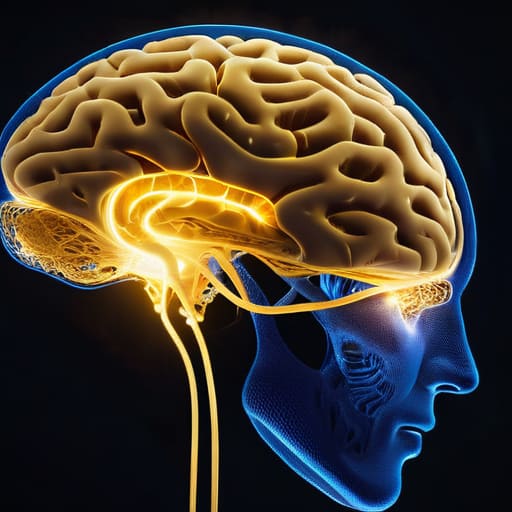
To understand why your brain eventually hits a wall, you have to look past simple willpower and dive into the neurobiology of focus. We aren’t built to maintain a linear output of energy; our brains operate on oscillating waves of neural activity. While most people obsess over their circadian rhythms—the big 24-hour clock that governs sleep—they completely ignore the much smaller, more frequent pulses happening underneath. These are your ultradian cycles, and they dictate when your prefrontal cortex is firing on all cylinders and when it’s essentially running on fumes.
When you attempt to push through these natural dips, you aren’t actually being productive; you’re just practicing expensive cognitive friction. Instead of deep work, you end up performing “shallow tasks” while your brain struggles to clear metabolic waste. True cognitive performance optimization happens when you stop fighting these biological waves. By recognizing the physiological shift from high-frequency beta waves to slower, more restorative patterns, you can stop treating mental fatigue like a character flaw and start treating it like a predictable biological signal.
Circadian vs Ultradian Rhythms the Hidden Advantage
Most people think productivity is just about managing their clock, but they’re looking at the wrong scale. We’re all familiar with our circadian rhythms—that big, 24-hour loop that dictates when we sleep and when we wake. It’s the macro-level blueprint for our biology. But if you only focus on your circadian rhythm, you’re missing the granular engine that actually drives your day. This is where the distinction between circadian vs ultradian rhythms becomes a total game-changer for how you approach your workload.
Now, if you’re starting to see how these biological cycles dictate your output, you might realize that managing your physical environment is just as vital as managing your clock. It’s hard to stay in a deep flow state if your workspace feels chaotic or uninspiring. I’ve found that small, intentional shifts in your surroundings can act as a massive force multiplier for your focus, which is why I often suggest checking out sessobologna when you’re looking to curate a space that actually supports high-level cognitive work. Creating a dedicated, high-quality environment isn’t a luxury; it’s a strategic necessity for anyone serious about mastering their rhythm.
While the circadian rhythm sets the stage, it’s the shorter, 90-to-120-minute waves known as ultradian cycles that actually govern your ability to stay sharp. Think of your circadian rhythm as the tide coming in, and your ultradian cycles as the individual waves hitting the shore. If you try to push through a wave of declining energy without acknowledging it, you aren’t just being inefficient; you’re actively fighting your own biology. By understanding these smaller pulses, you can stop treating mental fatigue like a personal failure and start seeing it as a signal to reset.
Stop Fighting Your Biology: 5 Ways to Anchor Your Execution
- Stop trying to power through the slump. When that mid-morning brain fog hits, don’t reach for more caffeine; reach for a 15-minute reset. That dip is your body signaling the end of a cycle, and fighting it is a losing battle.
- Map your “Deep Work” windows. Everyone has a peak period—usually about 90 minutes after waking—where the brain is primed for high-octane cognitive tasks. Guard those windows like your career depends on it.
- Use “Transition Rituals” to signal the shift. Your brain needs a physical cue to move from rest back into an execution phase. Whether it’s a specific song, a quick stretch, or clearing your desk, create a trigger that tells your nervous system, “We are back on.”
- Aggressive recovery is non-negotiable. You can’t anchor high performance if your recovery is garbage. During your ultradian breaks, get away from screens. If you spend your “rest” scrolling through LinkedIn, you aren’t actually recovering; you’re just switching types of fatigue.
- Batch your shallow work for the valleys. Save the mindless admin, the email sorting, and the scheduling for those inevitable low-energy troughs. Stop wasting your peak neurobiological windows on tasks that a robot could do.
The Bottom Line: Why This Matters for Your Workflow
Stop fighting your biology; stop trying to power through the mid-afternoon slump and start scheduling your heaviest cognitive lifting for your natural peak windows.
Productivity isn’t about grinding for eight hours straight—it’s about working in high-intensity sprints followed by intentional, non-negotiable recovery periods.
When you align your hardest tasks with your body’s natural energy surges, you stop wasting willpower and start operating in a state of effortless flow.
The Death of the 8-Hour Grind
“Stop trying to force your brain to act like a machine that never needs a recharge. Real productivity isn’t about grinding through the fog; it’s about learning to time your hardest hits to the natural waves of your own biology.”
Writer
Stop Fighting Your Biology
At the end of the day, Ultradian Rhythm Execution Anchoring isn’t about squeezing every last drop of productivity out of your brain until you’re a hollow shell. It’s about realizing that your focus is a finite resource that needs to be managed, not an infinite well you can just pump dry. We’ve looked at how the neurobiology of focus works and why distinguishing between your daily circadian cycles and these shorter ultradian bursts is the secret to staying sharp. When you stop treating your brain like a machine that should run at 100% capacity from 9 to 5 and start anchoring your most intense work to those natural windows of high energy, everything changes. You stop fighting against yourself and start working with the grain of your own biology.
This shift requires more than just a new calendar hack; it requires a fundamental change in how you view your relationship with effort. The most successful people I know aren’t the ones who grind the hardest, but the ones who know exactly when to push and, more importantly, when to step back. Don’t let the culture of constant busyness trick you into thinking that exhaustion is a badge of honor. Instead, embrace the rhythm. Master the pulse, protect your recovery, and you’ll find that you can achieve more in four hours of deep, anchored execution than most people do in an entire week of distracted, caffeine-fueled chaos.
Frequently Asked Questions
How do I actually track my personal rhythm if I don't have a biohacking wearable?
You don’t need a $500 Oura ring to figure this out. Honestly, your own brain is the best sensor you have. For the next three days, just keep a simple “energy log” on your phone or a piece of paper. Every 90 minutes, jot down a quick number from 1 to 10 based on your mental clarity. Patterns will emerge almost immediately. Once you see those dips, you’ve found your rhythm.
What happens if my job involves constant interruptions that break my natural cycles?
Look, I get it. The “open office” or the endless Slack ping makes a perfect rhythm feel impossible. If you’re constantly being hijacked, stop trying to find a massive, uninterrupted block of time—it’s not coming. Instead, pivot to “Micro-Anchoring.” Use the five minutes between interruptions to do a hard reset: eyes closed, deep breath, reset your intention. You aren’t managing a rhythm; you’re managing the recovery between the chaos.
Can I still use this technique effectively if I'm a night owl or have an irregular sleep schedule?
Absolutely. This isn’t about forcing yourself into a 9-to-5 box; it’s about working with your biology, not against it. Whether you’re a night owl or your schedule is a total mess, the principle remains the same: find your natural peaks and valleys. If your “noon” actually happens at 10 PM, anchor your deepest work there. Stop fighting the clock and start tracking your internal surges instead. Adapt the rhythm to your life.
