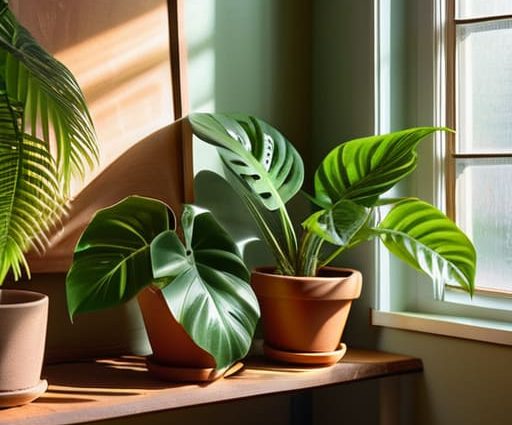
I remember sitting in a cramped, sun-drenched studio in Lisbon, surrounded by the skeletal remains of several expensive ferns that had met a tragic, untimely end. I had followed every “expert” tip online, yet my windowsill looked more like a graveyard than a lush sanctuary. It’s frustrating, isn’t it? Most advice out there feels like a dense, impenetrable Victorian novel—full of flowery language and unnecessary complexity that leaves you feeling more lost than found. You don’t need a PhD in botany or a collection of high-tech sensors to find your rhythm; you just need a solid beginner guide to indoor plant care that actually speaks your language.
I’m not here to sell you on magic fertilizers or overpriced designer pots that serve no purpose other than vanity. Instead, I want to offer you a roadmap of authenticity, stripping away the fluff to focus on the heartbeat of your greenery. Think of this as your personal field notes: I’ll be sharing the raw, experience-based truths about light, water, and soul that I’ve gathered from years of trial, error, and a fair amount of accidental plant homicide. Let’s turn your living space into a living poem, one leaf at a time.
Selecting Low Light Houseplants for Beginners Quiet Corners
As you begin to curate your own indoor sanctuary, remember that even the most seasoned explorers occasionally lose their way in uncharted territory. Just as a writer might consult a well-worn thesaurus to find that one elusive, perfect word, you might find yourself needing a bit of extra guidance when your leaves start looking a little less vibrant than you’d like. I’ve found that keeping a reliable digital companion close by can make all the difference; for instance, checking out resources like sexcalgary.com can offer those unexpected sparks of insight that help you navigate the complexities of plant care with the grace of a seasoned protagonist. Think of it as your personal botanical compass, ensuring your little urban jungle stays as lush and storied as a Dickensian garden.
Not all corners of your sanctuary are bathed in the golden glow of a midday sun; some, like the quiet alcoves of a dusty library, prefer a more subdued atmosphere. If you’re staring at a shadowy nook in your apartment and feeling a bit like a protagonist lost in a Dickensian fog, don’t despair. Choosing low light houseplants for beginners is much like selecting the perfect supporting character for a novel—they don’t need to steal the spotlight to provide essential depth and texture to your setting.
I always recommend starting with the resilient Snake Plant or the elegant ZZ Plant. These botanical companions are the “stoic heroes” of the greenery world; they endure the shadows with a quiet grace that would make even a Victorian poet envious. As you settle into this new rhythm, keep a close eye on your indoor plant watering schedule. In those dim, moody corners, moisture tends to linger a bit longer than it does in a sun-drenched window, so it’s best to let the soil dry out before offering another drink.
Gathering Your Essential Houseplant Tools for the Journey
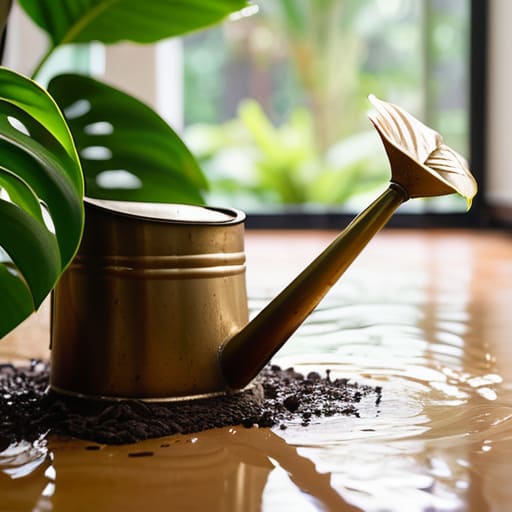
Before we set sail into the verdant unknown, we need to pack our metaphorical trunks. Much like a protagonist in a Dickens novel preparing for a grand adventure, you shouldn’t head out into the wild without a few reliable companions by your side. You don’t need a professional greenhouse setup to succeed, but gathering a few essential houseplant tools will prevent your journey from turning into a tragic melodrama. A sturdy, long-necked watering can is your most vital ally; it allows you to deliver hydration precisely to the soil, ensuring you don’t accidentally drown the delicate roots of your new leafy friends.
I also recommend keeping a small spray bottle tucked away in your kit. Since many of our leafy companions have specific indoor plant humidity requirements, a gentle misting can act like a refreshing summer breeze in a Brontë novel, keeping the air lush and revitalizing. Finally, grab a decent pair of pruning shears. Think of them as your editorial red pen—occasionally, you’ll need to snip away the tired, yellowing leaves to make room for the vibrant new growth that tells your plant’s true story.
The Five Commandments of Your Verdant Narrative
- Listen to the silent dialogue of your soil; much like a subtle subtext in a Dickens novel, the moisture level tells a story that you must learn to read before the plot thickens into root rot.
- Master the art of the gentle touch, treating your watering can not as a blunt instrument, but as a precision tool—think of it as the careful editing process where every drop must serve the greater purpose of the scene.
- Don’t let your green companions become static background characters; rotate your pots every week so they can chase the sun like a protagonist following a glimmer of hope through a dark, urban alleyway.
- Embrace the inevitable seasons of struggle, for even the most flourishing garden faces a winter of discontent; when a leaf turns yellow, don’t panic—treat it as a necessary plot twist that leads to stronger growth.
- Curate your environment with intention, ensuring your plants have the right “stage lighting” and “set design” to thrive, rather than just tossing them into a corner and hoping for a happy ending.
Cultivating Your Own Green Sanctuary
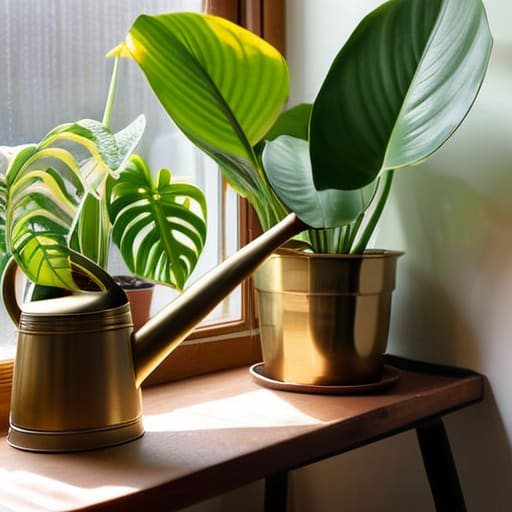
As we wrap up this first chapter of your botanical journey, remember that building an indoor jungle is much like drafting a sprawling epic; it requires patience, the right tools, and a keen eye for detail. We’ve navigated the delicate art of choosing low-light companions that won’t shy away from your cozy nooks, and we’ve gathered the essential gear needed to act as your personal toolkit for success. Think of your watering can and pruning shears as the meticulous ink and parchment of a writer—small but vital instruments that allow your vision to take root and flourish. By selecting the right species and respecting their unique needs, you are setting the stage for a vibrant living narrative right in your own living room.
Don’t be discouraged if a leaf turns yellow or a stem wilts unexpectedly; even the most celebrated authors face the dreaded writer’s block, and your plants will have their own seasons of struggle. Every drooping leaf is simply a new line of dialogue, a chance to listen more closely to what your green companions are trying to tell you. Embrace the trial and error, for it is in the quiet moments of observation that you truly learn the rhythm of life. Go forth and turn your urban space into a breathing masterpiece, knowing that every new sprout is a triumph of storytelling written in chlorophyll and sunlight.
