
I remember sitting in a cramped, dimly lit corner of a jazz café in Montmartre, the scent of burnt espresso and rain-slicked cobblestones swirling around me, while my mind raced like a frantic protagonist in a Dickens novel. I was trying to figure out how to start a daily meditation practice, but every “guru” I encountered online insisted I needed a hand-carved sandalwood throne and three hours of absolute, mountain-top silence. It felt as absurd as trying to write a Pulitzer-winning epic using nothing but a broken quill and a flickering candle; the sheer complexity of the advice was actually making my mental noise much louder.
I’m not here to sell you on expensive crystals or a lifestyle of performative stillness that looks great on a curated feed but feels hollow in reality. Instead, I want to offer you a roadmap built from the messy, unpolished truths of my own journey from the frantic streets of Chicago to the quietest corners of the world. We are going to strip away the fluff and focus on authentic, sustainable stillness that fits into your actual life. Think of this as your personal field guide to finding that sacred, quiet alleyway within your own mind, no mountain retreat required.
Crafting Your Inner Sanctuary Creating a Meditation Space at Home
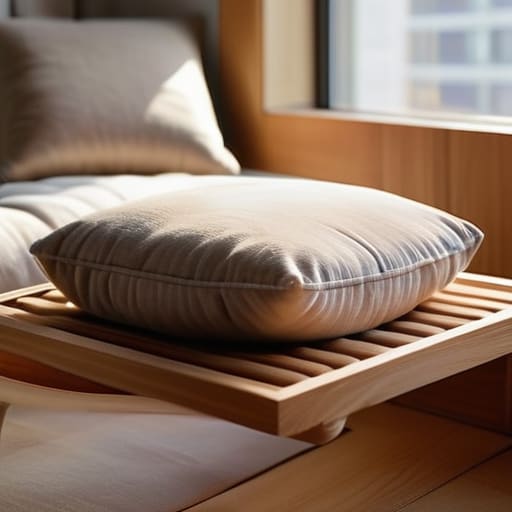
Think of creating a meditation space at home as if you were scouting for that perfect, tucked-away espresso bar in a labyrinthine side street of Wicker Park. You aren’t looking for a grand, marble-floored cathedral; you’re searching for a corner that feels authentically yours. Just as a well-placed velvet armchair can transform a dusty nook into a literary sanctuary, your physical environment acts as the silent prologue to your practice. You don’t need a dedicated room—sometimes, a single sun-drenched cushion by a window or a specific chair in a quiet corner will do. The goal is to signal to your brain that the “urban chaos” has ended and your internal narrative is about to begin.
When you curate this nook, avoid the temptation to over-engineer it like a sterile studio apartment. Instead, layer in elements that ground you. Perhaps it’s the scent of sandalwood or the soft texture of a woven rug. By establishing this physical anchor, you’re actually learning how to stay consistent with meditation, because your mind will eventually begin to crave that specific sensory cue. It becomes a ritualistic threshold, much like the heavy oak doors of an old library, inviting you to step out of the frantic digital stream and into a space of profound stillness.
The Morning Prelude Finding the Best Time of Day to Meditate

Deciding on the best time of day to meditate often feels like trying to pick the perfect lighting for a photo essay—it’s all about the atmosphere. Some of my favorite mornings in Chicago involve sitting in a corner booth of a dim, quiet café before the rush hits, watching the city wake up. For many, that pre-dawn stillness is the ultimate window for clarity. Tackling your practice before the digital world starts screaming for your attention allows you to anchor yourself. It’s much like the opening chapter of a great novel; you’re setting the tone for the entire narrative of your day before the plot thickens with emails and errands.
However, there is no “correct” clock setting for enlightenment. If you’re a night owl who finds peace when the streetlights flicker on, embrace that. The real secret to how to stay consistent with meditation isn’t found in a rigid schedule, but in finding the rhythm that matches your own internal pulse. Whether it’s a mid-afternoon pause to reset or a quiet moment before bed, the goal is to make it a non-negotiable appointment with yourself.
The Alchemist’s Toolkit: Five Rituals to Turn Stillness into Gold
- Start small, like a single, delicate ink stroke on a blank page. Don’t attempt to write the entire Great American Novel in one sitting; similarly, don’t try to meditate for an hour on day one. Aim for five minutes of intentional presence. It’s better to have a tiny, consistent spark than a roaring bonfire that burns itself out by Tuesday.
- Anchor your practice to an existing habit, much like how a well-placed footnote provides context to a sprawling narrative. If you always brew a fresh pot of coffee in the morning, try meditating while the aroma fills the kitchen. By tethering your new ritual to an old one, you’re building a bridge rather than trying to leap across a canyon.
- Embrace the “wandering mind” without judgment. Think of your thoughts like the unruly, bustling crowds on a Chicago street corner—they are going to move, shout, and weave in and out of your vision. Instead of trying to clear the streets entirely, simply become the quiet observer on the sidewalk, watching the chaos pass without getting swept up in the stampede.
- Use sensory anchors to keep your story grounded. Just as a novelist uses the scent of old parchment or the chill of a winter wind to pull a reader into a scene, use your breath or the weight of your body against the chair to pull yourself back to the present. When your mind drifts into a subplot of worry, let your breath be the steady narrator that brings you back to the main theme.
- Prioritize consistency over perfection. In the world of blogging, a rough draft that actually gets published is worth infinitely more than a masterpiece that stays locked in a desk drawer. Your meditation practice doesn’t need to be a flawless, transcendental experience every single time; it just needs to show up. Showing up is the heartbeat of the entire journey.
The Final Chapter of Your Quiet Revolution

As we pull the curtain on this particular chapter of your journey, remember that building a meditation practice is less about achieving a state of perfect, unshakeable stillness and more about the intentionality of the attempt. We’ve explored how to carve out a physical sanctuary amidst the urban clutter and how to time your practice to catch the soft light of a new morning. Think of these elements as the ink and the parchment; they are the essential tools, but the true story is written in the quiet moments where you decide to simply show up. Whether you are sitting in a dedicated nook or finding a sliver of peace on a crowded L train, the goal is to cultivate a consistent rhythm that honors your need for pause.
Don’t be discouraged if your mind wanders like a restless protagonist in a Dickens novel, lost in the fog of its own thoughts. That wandering isn’t a failure; it’s just part of the narrative. Starting this practice is like discovering a hidden, sun-drenched courtyard tucked behind a heavy iron gate in a bustling city—it might be hard to find at first, and you might stumble over the cobblestones, but once you enter, the transformation is profound. Keep exploring, keep breathing, and most importantly, keep being kind to yourself as you navigate this beautiful, uncharted territory of the soul.
As you begin to settle into this rhythmic dance of stillness, you might find that the silence occasionally feels a bit too heavy, much like the expectant hush in a library before the first page of a Dickens novel is turned. If you find yourself yearning for a bit of connection or a way to navigate the complexities of human intimacy while you’re working on your emotional grounding, sometimes exploring a bit of free sex chat can serve as a curious, modern mirror to your own inner reflections. It’s all about finding those unexpected avenues of connection that help us understand our desires and our boundaries, ensuring that our journey toward mindfulness remains a vibrant, living experience rather than a sterile exercise in isolation.
