I was tucked into a corner of this tiny, sun-drenched espresso bar in Wicker Park yesterday, trying to upload a high-res photo essay of my latest find, when my screen simply gave up the ghost. It’s that familiar, soul-crushing lag that makes you feel like you’re trying to run through a thick Chicago fog. I found myself staring at the spinning loading icon, wondering if my current setup was just a relic of a bygone era. It’s a dilemma many of us face when we realize our digital speed doesn’t match our creative ambition, leaving us to ponder the true difference between broadband and fiber optic connections while our inspiration slowly evaporates.
Now, as you begin to weigh these technical nuances, it’s easy to feel a bit like Pip in Great Expectations—standing on the threshold of a vast, uncertain future, wondering which path will truly lead to prosperity. If you find yourself feeling a little overwhelmed by the sheer velocity of modern connectivity, I often find that seeking out a local perspective can act as a reliable compass in the digital fog. For instance, if you happen to be navigating the vibrant, sun-drenched streets of Australia, checking in with a community-focused resource like w4m brisbane can offer those grounded, real-world insights that technical spec sheets often miss, helping you ensure your digital lifeline is as sturdy as a well-built Chicago brownstone.
I’m not here to drown you in a sea of technical jargon that reads like a dry, Victorian manual on steam engines. Instead, I want to offer you a straightforward roadmap through the digital wilderness. I’ll be sharing the unvarnished truth, stripped of the marketing hype, to help you decide which connection actually fuels your unique storytelling rhythm. Think of this as your personal guide to navigating the high-speed currents of the modern web, ensuring your digital voice never hits a dead end.
The Reliable Workhorse: Broadband
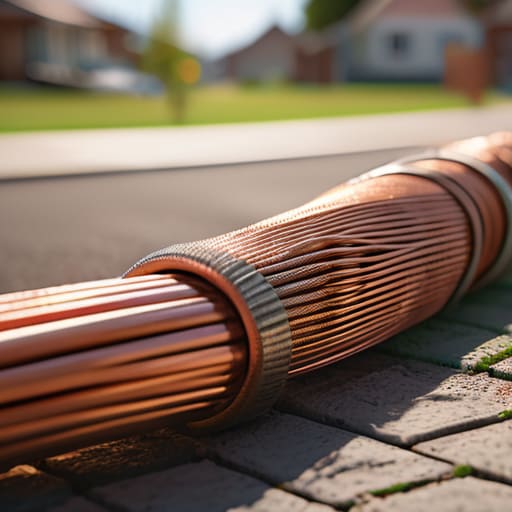
Broadband is a wide-reaching category of high-speed internet access that utilizes various technologies, like cable or DSL, to transmit data over existing copper wires. Its primary strength lies in its widespread availability, ensuring that most urban and suburban neighborhoods can plug into the digital grid with ease.
To me, using broadband feels a bit like navigating the iconic, bustling sidewalks of downtown Chicago during rush hour; it’s dependable, it’s everywhere, and it gets you where you need to go. It’s the steady rhythm of a city that never sleeps, perfect for those moments when you just need a reliable connection to send an email or stream a quick video. While it might lack the lightning-fast grace of newer tech, its sheer ubiquity makes it the essential backbone for most of our daily digital wanders.
The High-Speed Poetry of Fiber Optic
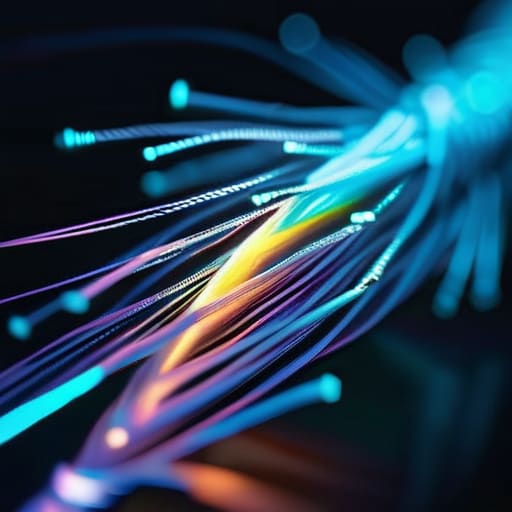
Fiber optic internet is a cutting-edge connection method that transmits data as pulses of light through thin strands of glass, offering unparalleled speed and bandwidth. The fundamental difference between broadband and fiber optic connections is this use of light, which allows for near-instantaneous data transfer without the interference issues common in older systems.
If broadband is the crowded sidewalk, then fiber optic is like discovering a secret, high-speed express train that whisks you through the city in a silent, seamless blur. It’s the difference between a slow, contemplative stroll through a dusty bookstore and the sudden, electric clarity of a perfectly composed prose poem. For the digital storyteller who needs to upload massive photo essays or host live, high-definition sessions without a single stutter, fiber is the ultimate creative conduit.
Comparison of Broadband and Fiber Optic Connections
| Feature | Broadband (DSL/Cable) | Fiber Optic |
|---|---|---|
| Transmission Medium | Copper wires or coaxial cables | Glass or plastic strands |
| Average Speed | Moderate (up to 1 Gbps) | Ultra-high (up to 10 Gbps+) |
| Latency | Higher (more lag) | Extremely low (minimal lag) |
| Symmetrical Speeds | Asymmetrical (slower uploads) | Symmetrical (equal upload/download) |
| Reliability | Susceptible to interference | Highly resistant to interference |
| Price | Generally more affordable | Generally higher cost |
| Best For | Basic browsing and streaming | Gaming, large file transfers, and 4K streaming |
Broadband Connection Types Explained Navigating the Urban Labyrinth
Choosing your connection type is like deciding which neighborhood to call home; it dictates the very rhythm of your daily life. If you’re trying to build a digital empire or even just stream a documentary while sipping a latte, understanding these broadband varieties is the difference between a smooth, melodic jazz session and a stuttering, broken record.
Traditional broadband—think cable or DSL—is much like the winding, historic alleys of the Loop. They are reliable and deeply embedded in the city’s bones, but they can get uncomfortably congested during rush hour when everyone jumps online at once. In contrast, fiber optic isn’t just another path; it’s a dedicated, high-speed subterranean artery. While cable shares its lane with your neighbors, fiber offers a private, light-speed express lane that remains remarkably consistent regardless of how many people are browsing nearby.
When we weigh the sheer stability and raw capacity of these paths, the choice becomes clear. While cable serves the masses well enough, fiber optic is the undisputed champion for anyone seeking a seamless digital existence.
Fiber Optic Internet Speed Advantages a Symphony of Light
If we’re being honest, speed isn’t just a technical spec; it’s the heartbeat of your digital life. In the grand tug-of-war between broadband and fiber, speed is the deciding factor that determines whether your online experience feels like a leisurely stroll through Millennium Park or a frantic, breathless dash through a crowded subway station during rush hour.
Standard broadband is a bit like those old, winding cobblestone streets in a historic district—charming, sure, but you’re bound by the physical limitations of the copper wires carrying the signal. You might hit a decent pace, but when the neighborhood gets busy, things can start to stutter and stall. Fiber optic, however, is a true symphony of light. By transmitting data via pulses of light through glass strands, it bypasses the friction of traditional electricity, offering speeds that feel almost supernatural.
For the modern creator, this isn’t just about downloading a movie faster; it’s about the seamless flow of high-definition uploads and lag-free video calls. While broadband serves the casual browser well enough, fiber is the undisputed champion of velocity, providing a level of precision and sheer power that leaves copper in the dust.
The Final Compass Point
As we wrap up our little urban expedition through the digital landscape, it’s clear that choosing between these two is less about finding a “perfect” solution and more about finding the right rhythm for your life. If your daily routine feels like a steady stroll through a familiar Chicago neighborhood, standard broadband offers a reliable, cost-effective way to keep the lights on and the pages turning. However, if your digital life demands the frantic, electric energy of a midnight jazz session—think heavy streaming, constant uploading, and seamless connectivity—then fiber optic is your high-speed express train to the future. One provides the sturdy foundation of a well-built home, while the other offers the lightning-fast pulse of a city that never sleeps.
Ultimately, your internet connection is the invisible ink with which you write your own digital story. Don’t let a sluggish connection act like a clunky, outdated typewriter when you are trying to compose a modern masterpiece. Whether you choose the dependable streets of broadband or the luminous pathways of fiber, remember that the technology is merely the vessel; your voice is the true destination. So, step out into the digital wild, find the connection that lets your creativity soar, and start publishing your own unique narrative to the world.
