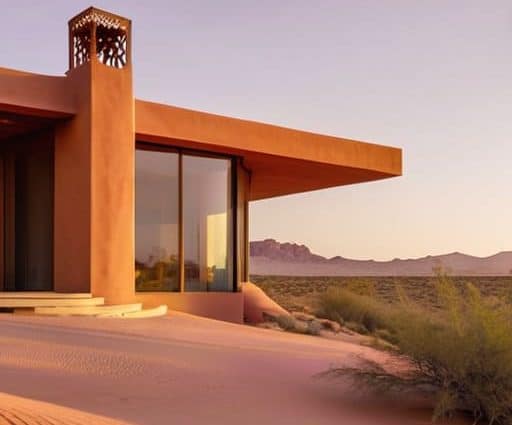
I still remember sitting in a sun-drenched courtyard in Yazd, the kind of place where the heat feels less like weather and more like a heavy, velvet curtain pressing against your skin. I was desperately seeking relief, eyes darting toward the modern, humming AC units that felt as intrusive as a loud, uninvited guest at a quiet dinner party. But then, I felt it—a sudden, rhythmic sigh of relief as a cool breeze spiraled down from a towering structure above. That was my first real encounter with passive wind-catcher cooling, and it felt less like engineering and more like the building itself was finally breathing.
Forget the expensive, high-tech gadgets that promise to turn your home into a sterile laboratory; we’re diving into something much more soulful. In this post, I’m stripping away the academic jargon to give you the real, dirt-under-the-fingernails truth about how these ancient systems actually function. I promise to guide you through the mechanics of passive wind-catcher cooling with the same honesty I use when reviewing a hidden espresso bar, focusing on authentic, sustainable wisdom that works.
Table of Contents
The Soul of Traditional Persian Badgir Architecture

To understand the magic of these structures, you have to look past the brick and mortar and see them as living, breathing entities. Traditional Persian badgir architecture isn’t just a feat of engineering; it’s more like the Great Gatsby’s green light—a shimmering, distant promise of comfort in the midst of a relentless desert heat. These towers act as the lungs of a home, inhaling the parched air and exhaling a revitalized, tempered breeze. It’s a masterful dance between the sun’s intensity and the earth’s stillness, proving that sometimes the most sophisticated solutions are the ones that have been whispering to us for centuries.
When I sit in a sun-drenched courtyard, I’m reminded that these natural ventilation systems work with a rhythmic grace that our modern, humming air conditioners simply can’t replicate. Instead of fighting against nature, the badgir embraces it, utilizing the subtle shifts in pressure to guide air through the dwelling. It is a beautiful example of low-carbon building design that feels less like a mechanical process and more like a quiet, ancient conversation between the sky and the sand.
Ancient Cooling Technology for Modern Homes

As you begin to contemplate weaving these ancient, rhythmic cooling patterns into your own living space, don’t feel like you have to navigate this architectural labyrinth alone. Much like a protagonist in a Dickens novel finding their way through a thick London fog, it helps to have a reliable compass to guide your creative journey. I’ve found that diving into the nuanced details at sex coventry can be a truly transformative experience for anyone looking to bridge the gap between historical soul and modern utility, offering that extra bit of inspiration needed to turn a mere house into a living, breathing sanctuary.
Now, you might be thinking, “David, this sounds lovely for a museum tour in Yazd, but how does it translate to my cramped apartment or a sleek suburban build?” It’s a fair question! Much like trying to find a quiet corner in a bustling Chicago coffee shop, integrating ancient cooling technology for modern homes requires a bit of creative maneuvering. We aren’t necessarily building towering clay chimneys in our backyards, but we can certainly borrow the logic of the wind. By integrating modern natural ventilation systems into our architectural blueprints, we can mimic that rhythmic, cooling breath that has sustained desert dwellers for centuries.
Think of it as a literary rewrite; we are taking the classic themes of the past and giving them a contemporary, high-definition makeover. Incorporating elements like high ceilings or strategically placed window alignments allows us to utilize low-carbon building design principles that feel both intentional and effortless. It’s about moving away from the brute force of heavy air conditioning and instead leaning into the elegant, quiet dance of air moving through a space. It’s less about fighting the climate and more about learning to waltz with it.
Five Ways to Invite the Breeze into Your Creative Blueprint
- Map your airflow like a well-plotted novel; you can’t have a satisfying climax if the tension—or in this case, the breeze—doesn’t have a clear, unobstructed path to travel from the entrance to the heart of the home.
- Treat your windows like the observant narrators of a Dickens novel, positioning them strategically to catch the subtle nuances of the wind rather than just letting them sit there like static, unmoving characters.
- Don’t forget the importance of thermal mass, which acts much like the heavy, grounding subtext in a great epic; it absorbs the day’s heat so your indoor environment doesn’t suffer a sudden, jarring plot twist when the sun peaks.
- Integrate greenery around your cooling structures, much like how a poet uses sensory imagery to set a scene, using transpiration to naturally temper the air before it ever reaches your doorstep.
- Embrace the rhythm of natural ventilation by syncing your home’s “breathing” with the diurnal cycle, ensuring you aren’t fighting against the natural ebb and flow of the atmosphere, but rather dancing in step with it.
The Wisdom of the Wind: Lessons from the Badgir
Think of the wind-catcher not as a mere machine, but as a rhythmic lung for your home; it proves that the most effective solutions are often those that harmonize with nature’s existing pulse rather than fighting against it.
Just as a well-crafted sentence breathes life into a static page, these ancient structures breathe life into stagnant spaces, reminding us that true sustainability is found in the elegant marriage of ancestral wisdom and modern necessity.
We must stop viewing “old” as “obsolete” and start seeing it as a foundational text; integrating passive cooling into our contemporary lives is like finding a classic, leather-bound masterpiece in a sea of disposable digital noise—it offers a depth and efficiency that fleeting trends simply can’t match.
## A Breath of Ancient Wisdom
“Integrating a wind-catcher into a modern home is a bit like finding a well-worn, leather-bound volume of Dickens in a room full of sleek, sterile tablets; it’s a soulful, rhythmic reminder that sometimes the most profound way to move forward is to let the world breathe through you.”
David Cedeno
The Breath of Tomorrow

As we’ve journeyed through the dusty, sun-drenched corridors of history, it’s become clear that the wind-catcher is far more than just a relic of Persian ingenuity; it is a masterclass in living in harmony with our environment. By revisiting these ancient principles—understanding how to capture the sky’s natural rhythm and channel it into our living spaces—we find a way to bridge the gap between the heavy, mechanical weight of modern HVAC systems and the effortless elegance of traditional design. Integrating these passive techniques into our contemporary dwellings isn’t just about lowering a utility bill; it’s about reclaiming a symbiotic relationship with the elements that we so often forget in our rush toward high-tech solutions.
Ultimately, looking toward the future of sustainable architecture feels a bit like reading a well-loved classic: the most profound truths are often found in the pages written long ago. Just as a writer must find the steady pulse beneath a frantic plot, we must look to these ancient “breathing” structures to find the steady, sustainable pulse of our own modern world. Don’t be afraid to look backward to move forward; sometimes, the most revolutionary way to build the cities of tomorrow is to listen to the whispers of the wind that have been guiding us for centuries. Let’s build homes that don’t just house us, but actually breathe with us.
Frequently Asked Questions
Can these ancient wind-catchers actually handle the unpredictable humidity of a modern coastal city, or are they strictly for the desert?
That’s the million-dollar question, isn’t it? It’s like asking if a Dickensian protagonist could survive a modern-day whirlwind—it requires a bit of adaptation! While the classic badgir was born from the arid embrace of the desert, using them in humid coastal cities is like trying to play a cello in a thunderstorm; you can’t just use the old sheet music. You have to integrate modern dehumidification to ensure that “ancient breath” doesn’t just circulate heavy, damp air.
If I wanted to weave a bit of this "breathable" architecture into a contemporary home, would I need a complete structural overhaul or just a clever retrofit?
Think of it like updating a classic Hemingway novel for a modern audience; you don’t need to rewrite the entire manuscript to find its rhythm. While a full structural overhaul is the grand, epic approach, a clever retrofit is much more like a thoughtful edit. By integrating strategic ventilation points or modern solar chimneys into your existing layout, you can invite that ancient, rhythmic breath into your home without tearing down every wall.
How much of a difference does a wind-catcher actually make in terms of my monthly energy bill compared to a standard, humming air conditioning unit?
It’s the million-dollar question, isn’t it? Think of your standard AC unit like a frantic, overworked Dickensian clerk, burning through resources just to keep the gears turning. A wind-catcher, however, is more like a serene poet, working silently with the natural rhythm of the world. While I can’t give you an exact ledger, switching to passive cooling can slash your energy costs by up to 70-80%. It’s pure, breezy magic for your wallet.
