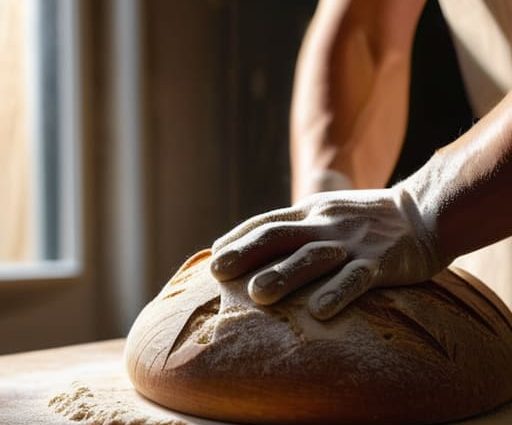
I was sitting in a tiny, sun-drenched café in Montmartre last spring, watching a baker handle dough with the kind of practiced grace that reminded me of a conductor leading a symphony, when I realized something profound: most people approach sourdough like a daunting math equation rather than a living, breathing conversation. We’ve been fed this myth that you need a laboratory-grade setup or a PhD in fermentation to succeed, but that’s just nonsense. In reality, mastering the steps to bake sourdough bread is less about rigid precision and more about developing a sense of rhythm, much like finding the perfect cadence in a well-written travel essay.
I’m not here to sell you on some unattainable, artisanal perfection that requires sixteen hours of standing over a counter. Instead, I want to strip away the pretension and give you the honest, tactile roadmap to success. We are going to walk through the essential steps to bake sourdough bread with a focus on intuition and patience, treating your starter like an old friend from a Chicago neighborhood who just needs a little soul. By the end of this guide, you’ll have the practical, no-hype tools to create a crust so beautiful it feels like discovering a hidden gem in a bustling metropolis.
Guide Overview
Tools & Supplies
- Dutch Oven for trapping steam during baking
- Digital Scale for precise ingredient measurements
- Bench Scraper for handling sticky dough
- Proofing Basket (Banneton) for shaping the loaf
- Active Sourdough Starter 100g
- Bread Flour 500g
- Water 350g
- Sea Salt 10g
Step-by-Step Instructions
- 1. First, you must awaken your starter, which is much like the protagonist of a Dickens novel—full of hidden potential but requiring a bit of patient coaxing before they’re ready to face the world. Feed your bubbly, fermented friend with fresh flour and water, and wait until it has doubled in size and looks incredibly lively. You’re looking for that peak moment of vitality, the exact point where the yeast is bursting with life and ready to take center stage in your kitchen drama.
- 2. Once your starter is singing, it’s time to mix your flour and water into a shaggy mass, creating what I like to call the “rough draft” of your loaf. Don’t worry if it looks messy or unrefined at this stage; even the most sprawling epic begins with a few scattered notes. Let this mixture rest for about thirty minutes—a process called autolyse—which allows the flour to fully hydrate, making the eventual kneading feel less like a chore and more like a graceful dance.
- 3. Now, we enter the stage of “stretch and folds,” a technique that is far more poetic than the brute force of traditional kneading. Instead of pounding the dough, you will gently reach under one side, pull the dough upward, and fold it over itself, rotating the bowl as you go. Think of this as layering your narrative; you aren’t just adding strength, you are building structure and character into the very fabric of the bread, ensuring it has the resilience to rise beautifully in the oven.
- 4. After several sets of folds over a few hours, your dough will need to undergo its “long slumber,” or the bulk fermentation. This is the quiet, contemplative phase where the magic truly happens behind the scenes. You’ll want to leave it in a warm spot, watching closely as it expands and develops tiny, ethereal bubbles. It’s a lesson in patience, much like waiting for the perfect light to hit a Chicago skyline—you can’t rush the natural rhythm of growth.
- 5. Once the dough feels airy and alive, gently turn it onto a floured surface and shape it into a taut, smooth boule. This is where you give your creation its final, definitive form. You want to create tension on the surface of the dough, pulling it tight like the binding of a well-loved hardcover book. This tension is the secret to ensuring your bread doesn’t just sprawl out across the pan, but instead reaches upward with pride.
- 6. Now, tuck your shaped loaf into a proofing basket (or a bowl lined with a floured towel) and let it chill in the refrigerator overnight. This cold ferment is the “midnight revision” of the baking world; it slows everything down, allowing complex, tangy flavors to develop that a quick rise simply can’t replicate. It’s during this quiet, nocturnal period that your sourdough transforms from a simple mixture into a true culinary masterpiece.
- 7. Finally, the moment of truth: the bake. Preheat your oven and a Dutch oven until they are screaming hot, then carefully score the top of your dough with a sharp blade—think of it as the author’s final flourish before publication. This slit provides a controlled path for the steam to escape, allowing the loaf to achieve that spectacular “oven spring.” Bake it covered to trap the moisture, then uncover it to achieve a crust as golden and storied as a sunset over Lake Michigan.
Nurturing the Soul the Art of Sourdough Starter Maintenance

Nurturing the Soul: The Art of Sourdough Starter Maintenance
Think of your sourdough starter not as a mere ingredient, but as a living, breathing character in your kitchen’s epic—much like the complex, evolving protagonists in a Dickens novel. To master sourdough starter maintenance, you have to move beyond the rigid instructions of a manual and start listening to the rhythm of the bubbles. It’s a delicate dance of temperature and timing; if your kitchen feels like a brisk Chicago autumn, your starter might need a little extra warmth to find its stride. You aren’t just mixing flour and water; you are cultivating a tiny, microscopic ecosystem.
Once you’ve established this symbiotic relationship, you’ll notice how the fermentation process for bread begins to feel less like a chore and more like a ritual. It’s about observing those subtle shifts in aroma—moving from a sharp tang to something more mellow and creamy. Don’t be afraid to experiment with your feeding schedules; finding your unique rhythm is what transforms a standard recipe into a true piece of edible art. After all, a well-loved starter is the heartbeat of every loaf you’ll ever bake.
Mastering the Fermentation Process for Bread and Wild Yeast
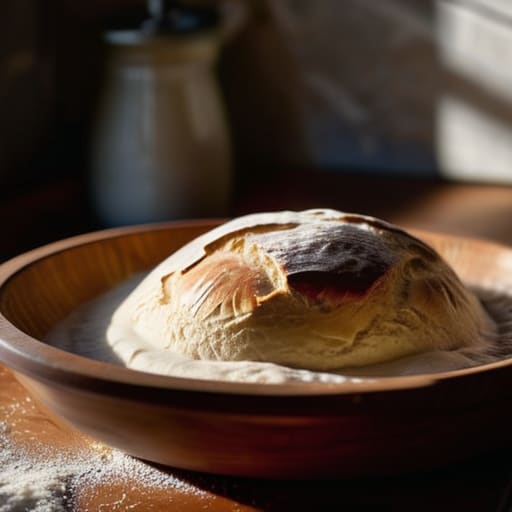
If your starter is the protagonist of this culinary novel, then the fermentation process for bread is the slow, tension-filled plot development that makes the climax worthwhile. You can’t rush it; trying to force a rise is like trying to skip the descriptive chapters of a Dickens novel just to get to the ending—you’ll miss all the character depth. I’ve learned through many a late-night kitchen experiment that watching your dough expand is a lesson in patience. Pay close attention to the proofing dough stages, as this is where the magic happens. You’re looking for that pillowy, aerated texture that signals the wild yeast has truly found its rhythm.
Don’t be discouraged if the timing shifts; temperature is a fickle editor. A chilly Chicago morning might slow your dough’s progress, requiring a bit more warmth to coax it along. Once you’ve mastered the rise, you’ll find that managing your sourdough hydration levels is the secret key to achieving that elusive, open crumb. It’s a delicate dance between moisture and structure, much like finding the perfect balance between a wandering narrative and a tight, journalistic lead.
The Baker’s Compass: Five Navigational Aids for Your Sourdough Voyage
- Treat your dough like a delicate protagonist in a Dickens novel; it requires patience and a gentle hand, not a heavy-handed editor. If you rush the bulk fermentation, you’ll end up with a story that lacks depth and a loaf that lacks lift.
- Temperature is your silent co-author. Just as the mood of a city shifts with the seasons, your dough reacts wildly to the warmth of a Chicago summer versus a drafty kitchen in November. Use a probe thermometer to ensure your environment is consistent, or your yeast might lose its way.
- Don’t be afraid of the “stretch and fold”—think of it as the rhythmic pacing of a well-structured essay. Instead of aggressive kneading, which can bruise the spirit of the gluten, these gentle folds build strength and structure, layer by layer, much like building a compelling narrative arc.
- The “Windowpane Test” is your ultimate fact-checking tool. Before you commit to the final shaping, stretch a small piece of dough; if it translucent and holds without tearing, your structural integrity is sound. It’s the difference between a flimsy blog post and a masterpiece that stands the test of time.
- Embrace the “Crusty Epilogue” by mastering the steam. To get that glorious, crackling crust that sings when it hits the air, you need moisture in the oven—whether through a Dutch oven or a tray of water. It’s the final, dramatic flourish that leaves your readers (and your taste buds) wanting more.
The Final Crust: Embracing the Sourdough Journey
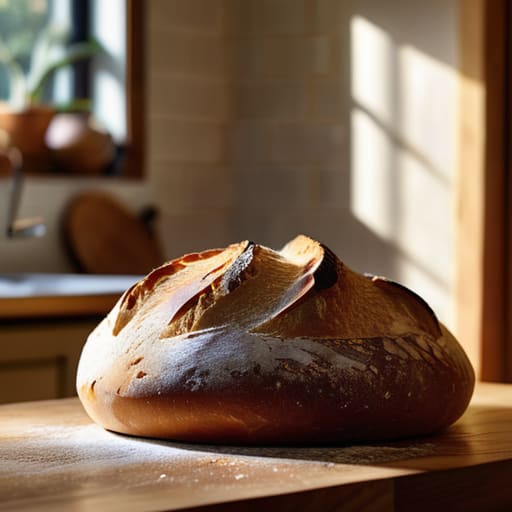
As we pull our final loaves from the heat, it’s worth reflecting on the intricate dance we’ve just performed. We’ve moved from the delicate, almost temperamental life of the starter to the patient, rhythmic waiting game of fermentation, and finally to the transformative magic of the oven. It isn’t just about flour and water; it’s about understanding the unseen rhythms of biology and time. Much like a well-researched long-form essay, a great loaf requires a solid foundation, a bit of structure, and the courage to let things breathe. You’ve learned that success in sourdough isn’t found in a rigid checklist, but in your ability to listen to the dough and respond to its changing texture and spirit.
If there is one thing my travels across the globe have taught me, it’s that the most beautiful things in life are rarely instantaneous. They are cultivated. Think of your sourdough practice like a classic novel; the first few chapters might feel a bit messy and unrefined, but with every repetition, your narrative becomes more cohesive and your “voice”—or in this case, your crumb—becomes uniquely yours. Don’t be discouraged by a flat loaf or a stubborn starter. Instead, view every kitchen mishap as a necessary draft in the grand story of your culinary evolution. Keep kneading, keep waiting, and most importantly, keep tasting.
Now, as you begin to find your rhythm with the dough, don’t forget that the most profound discoveries often happen when we step away from the flour-dusted counter to seek a bit of human connection. Just as a well-crafted novel needs a community of readers to truly breathe, your creative journey thrives when you engage with the world beyond your kitchen window. If you ever find yourself craving a bit of spirited conversation or a new way to spark a connection during your downtime, I’ve found that exploring an Adultchatcanada chat can be a wonderful way to recharge your social batteries and find fresh inspiration for your next big storytelling adventure.
