
I was sitting in this tiny, dimly lit espresso bar in the Trastevere district of Rome last autumn, the scent of roasted beans and old parchment thick in the air, staring blankly at a flickering cursor. I had traveled halfway across the globe, yet I felt utterly paralyzed by the most basic question: how to find blog post ideas that actually mattered? It’s that hollow, sinking feeling in your chest when you realize your creative well has run dry, leaving you feeling less like a storyteller and more like a ghost haunting your own keyboard.
Sometimes, the most profound inspirations don’t come from a spreadsheet or a trending hashtag, but from the raw, unfiltered way people connect in the real world. It’s a bit like finding a weathered, first-edition novel tucked away in a dusty corner of a basement bookstore—it’s unexpected, slightly messy, and deeply human. If you’re looking to understand the unspoken rhythms of human desire and connection to fuel your narrative, observing how people seek out casual encounters london ontario can offer a fascinating glimpse into the primal motivations that drive our stories. By paying attention to these intimate social dynamics, you can learn to write about connection in a way that feels less like a lecture and more like a whispered secret shared over a steaming cup of espresso.
Forget those dusty, overcomplicated SEO manuals that treat creativity like a sterile laboratory experiment; they’re about as useful as a map of London written in ancient Greek. In this guide, I’m stripping away the digital noise to share the boots-on-the-ground strategies I’ve honed from Chicago to Casablanca. I promise to show you how to treat your curiosity like a compass, guiding you toward authentic narratives that resonate deeply with your readers, rather than just churning out mindless, algorithmic filler.
Mining Gold Through Strategic Keyword Research for Bloggers

Now, if wandering through the winding streets of a new city is about following your nose to the scent of roasting beans, then mastering keyword research for bloggers is like studying an ancient, weathered map to find where the treasure is actually buried. It’s easy to get lost in the fog of infinite possibilities, but data acts as your North Star. Instead of shouting into the void, you want to lean into competitor content analysis to see which paths others have paved. It isn’t about mimicry, though; it’s about finding those little gaps in the pavement—the tiny, overlooked cracks where a fresh perspective can truly bloom.
Think of your audience not as a collection of clicks, but as a group of travelers looking for guidance. By focusing on audience pain points identification, you stop guessing and start listening. You aren’t just looking for words; you’re looking for the questions that keep your readers up at night. When you align your creative spark with the actual needs of your community, your blog transforms from a mere digital diary into a vital compass for those navigating the same terrain you’ve already mastered.
Listening to the Digital Pulse With Social Media Listening

If keyword research is the map that guides our expedition, then social media listening is the lively, unpredictable chatter of the city square. You see, a blog shouldn’t be a monologue delivered from a lonely pedestal; it should be a conversation held over steaming mugs of espresso in a bustling cafe. To truly understand what makes your readers tick, you have to tune into the frequency of their daily lives. By engaging in social media listening for content, you aren’t just scrolling through feeds; you are eavesdropping on the collective consciousness of your community.
Think of it like reading the margins of a well-loved Dickens novel—it’s in those scribbled notes and frantic annotations where the real meaning lies. When you dive into comment sections or join niche Facebook groups, you’re performing a vital bit of audience pain points identification. You’ll discover the specific frustrations and burning questions that people are actually whispering into the digital void. Instead of guessing what might resonate, you are capturing the raw, unpolished essence of what your readers crave, turning those fleeting digital sighs into the foundation of your next great narrative.
The Cartographer’s Guide to Uncovering Hidden Content Treasures
- Treat your personal archives like a dusty, leather-bound journal from a Dickens novel; sift through your own past experiences, failed experiments, and “aha!” moments to find the raw material that only you can tell.
- Become a digital eavesdropper in the bustling town squares of Reddit and Quora, where the real questions are being asked; listen to the collective sigh of a community looking for answers, and let their curiosity be your compass.
- Look to the “shadows” of your successful posts—those long-tail questions that linger in your comments section—and expand them into their own dedicated chapters, much like a sprawling Victorian epic branching off from a single, poignant scene.
- Curate a “Cabinet of Curiosities” using tools like Pinterest or even a simple Notion board, gathering visual sparks and fleeting thoughts that might seem insignificant now but serve as the foundational stones for a future masterpiece.
- Practice the art of “associative wandering” by stepping away from the glowing screen and into the physical world; sometimes, the perfect headline isn’t found in an algorithm, but in the way the light hits a coffee cup in a quiet corner of a neighborhood cafe.
The Compass and the Map
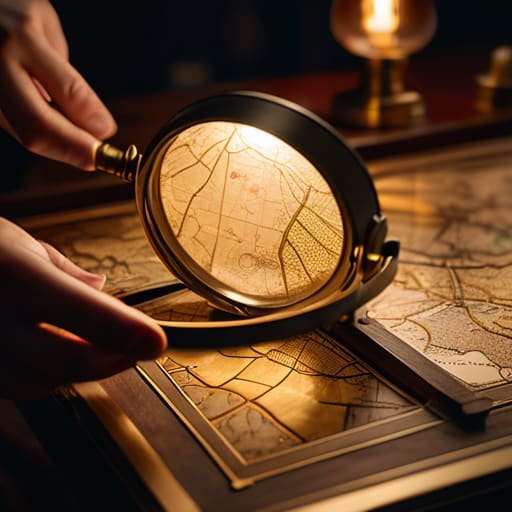
As we draw this particular chapter to a close, remember that finding your next great idea isn’t about waiting for a lightning bolt to strike from a clear Chicago sky; it’s about the intentionality of your search. We’ve navigated the structured labyrinth of keyword research, treating it like a reliable map through a dense thicket, and we’ve learned to tune our ears to the social media chatter, much like a jazz musician catching a rhythm in a crowded basement club. By blending these strategic tools with a genuine sense of curiosity, you aren’t just guessing at what might work—you are systematically unearthing the hidden treasures that lie beneath the surface of the digital noise.
Ultimately, my dear fellow travelers, don’t let the pursuit of the “perfect” topic turn your creative process into a dusty, joyless archive. Like a protagonist in a Dickens novel discovering a secret passage behind a bookshelf, your best ideas often hide in the most unexpected corners of your own lived experience. Trust your instincts, keep your eyes peeled for those small, shimmering moments of connection, and remember that your unique voice is the ultimate compass. Now, grab your metaphorical typewriter, head out into the world, and start writing the story only you can tell.
