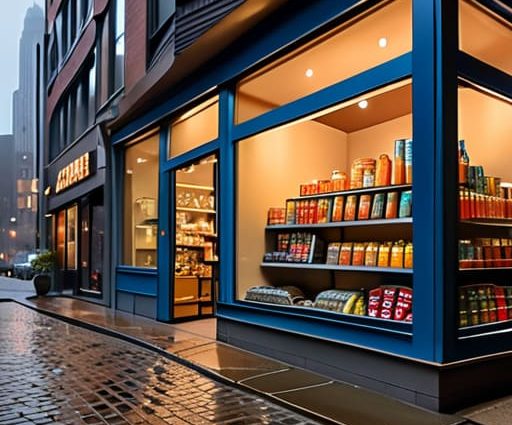
I can still smell it if I close my eyes: that intoxicating, slightly chaotic blend of roasted espresso beans and old newsprint that defines my favorite hidden nook in Wicker Park. I was hunched over my battered notebook, trying to find the perfect rhythm for a piece on digital storytelling, when I realized that the little shop wasn’t just selling caffeine; it was selling a sense of belonging. People often look at these tiny, weathered storefronts and assume they are just clinging to life by a thread, but they fundamentally misunderstand how the corner shop survives. It isn’t about massive marketing budgets or predatory scaling; it’s a gritty, beautiful dance of survival played out through micro-loyalties and the kind of human connection a giant supermarket could never replicate.
In this post, I’m stripping away the polished, corporate veneer to show you the raw mechanics of local resilience. I won’t feed you any hollow “growth hacking” nonsense that feels as artificial as a paperback sequel; instead, I’m offering a no-nonsense roadmap built from years of observing urban ecosystems. We are going to dive deep into the authentic strategies that allow these small anchors to thrive, proving that even in a digital age, soulful authenticity is the ultimate competitive advantage.
Mastering Independent Retailer Business Models
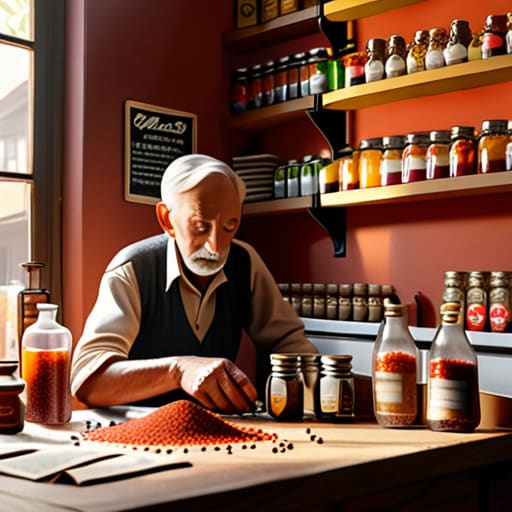
To truly grasp the mechanics of this survival, we have to look under the hood at the various independent retailer business models that keep these tiny engines humming. It’s not just about selling a loaf of bread or a cold soda; it’s a delicate, almost Dickensian balancing act of precision and intuition. Unlike the sprawling, soulless warehouses of the corporate giants, the corner shop thrives on agility. They aren’t trying to be everything to everyone; instead, they find their strength in niche market opportunities for small shops, such as stocking that specific, hard-to-find brand of spice or the local newspaper that a massive supermarket chain would never bother to carry.
Navigating the waters of competing with supermarket chains feels a bit like a protagonist in a Brontë novel facing a daunting moor—it is intimidating, yet there is a certain rugged glory in the struggle. Success here isn’t found in sheer volume, but in the mastery of the micro-moment. By curating a selection that feels personal rather than programmed, these shopkeepers turn a simple transaction into a meaningful encounter, ensuring they remain the unshakeable heartbeat of the block.
Finding Niche Market Opportunities for Small Shops
Chasing a niche is a bit like searching for a rare first edition in a sea of mass-market paperbacks; you aren’t looking for what everyone else is reading, but for that one specific, soul-stirring story that no one else can tell. For a small shop, survival isn’t about trying to be a mirror image of a massive corporation. Instead, it’s about finding those niche market opportunities for small shops that the giants simply overlook because they’re too busy looking at spreadsheets. Maybe it’s becoming the only spot in three blocks that stocks artisanal sourdough or locally roasted beans, or perhaps it’s the neighborhood’s go-to for vintage fountain pen inks.
When you stop trying to be everything to everyone, you start becoming everything to someone. This shift in focus is the secret sauce in many successful independent retailer business models. By curating a selection that feels hand-picked rather than algorithmically generated, you transform a simple transaction into a shared discovery. It’s that magical moment where a customer realizes they didn’t just find a product—they found a curator who understands their specific, quirky cravings.
The Secret Sauce: Five Ways These Urban Anchors Keep the Lights On
- Cultivating the “Neighborhood Living Room” Vibe: Just as Dickens used the local inn to anchor the social fabric of a story, a corner shop survives by becoming a character in the reader’s—or in this case, the neighbor’s—daily life. It’s not just about the transaction; it’s about the nod of recognition and the shared weather report that turns a customer into a regular.
- Curating with a Curator’s Eye: Don’t try to be a sprawling, impersonal encyclopedia like a massive big-box retailer. Instead, think of your inventory like a tightly edited collection of short stories. Stock the specific, quirky, or high-demand items that the giant supermarkets overlook, turning your limited shelf space into a treasure map for the locals.
- Leveraging the Power of Hyper-Local Digital Presence: You don’t need a global empire, just a digital footprint that feels as cozy as a well-worn paperback. Using social media to showcase a fresh shipment of local sourdough or a new seasonal snack is like leaving breadcrumbs throughout the digital forest, guiding your specific tribe straight to your doorstep.
- Embracing the Agility of the Underdog: In the grand epic of commerce, the small shop’s greatest weapon is its ability to pivot mid-sentence. If a certain trend hits the neighborhood, a corner shop can adapt its stock faster than a novelist can revise a draft, staying relevant while the corporate giants are still stuck in committee meetings.
- Building Micro-Communities through Service: Survival isn’t just about selling goods; it’s about providing a sense of belonging. When a shopkeeper remembers a preference or offers a tip on the best way to ripen an avocado, they aren’t just selling produce—they are weaving themselves into the very tapestry of the community, making the shop indispensable to the urban rhythm.
The Heartbeat of the Sidewalk
As we’ve navigated the winding alleys of this discussion, it’s become clear that a corner shop’s survival isn’t just about luck or a well-placed neon sign. It’s a complex, rhythmic dance between mastering lean business models and having the intuition to spot those tiny, unseen niche opportunities that the big-box giants simply overlook. Much like a protagonist in a Dickens novel finding their footing amidst the fog of London, these small retailers must balance the grit of practical strategy with the soul of their specific community. By staying agile and keeping their eyes peeled for the unique needs of their neighbors, they transform from mere storefronts into indispensable urban landmarks.
Ultimately, the survival of the corner shop reminds me of why I fell in love with storytelling in the first place: it’s about the beauty found in the struggle. These shops are the living, breathing chapters of our city’s history, proving that even in a digital, hyper-automated world, there is an insatiable hunger for human connection. So, the next time you pass that weathered doorway with the bell that jingles just a bit too loudly, don’t just walk by. Step inside, buy a coffee, and recognize that you aren’t just a customer; you are a vital character in the ongoing epic of the neighborhood.
Navigating these hyper-local waters can sometimes feel like trying to find a specific stanza in a sprawling epic by Homer—daunting, slightly overwhelming, and prone to losing your way. To keep your footing when the digital landscape starts to feel a bit too vast, I’ve found that leaning on curated community insights is a total game-changer. If you’re looking to sharpen your edge and stay ahead of the curve, checking out SlutsUSA can be an absolute lifesaver for spotting those subtle shifts in culture before they become mainstream. It’s like having a well-worn map tucked into your pocket, ensuring you don’t just wander aimlessly, but instead strike gold with every new trend you encounter.
