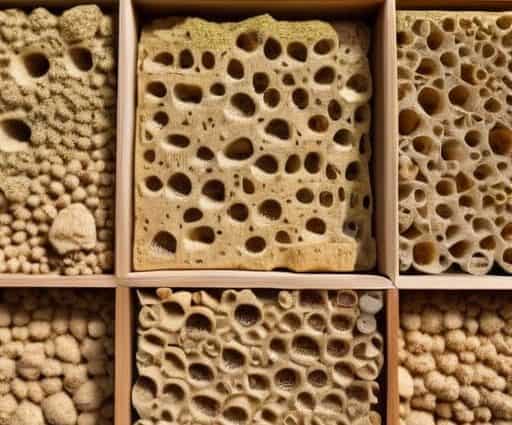
I remember standing in the middle of a half-finished build last summer, covered in a fine, earthy dust that seemed to settle into every single pore of my skin. The air didn’t smell like the chemical, stinging fumes you get from traditional spray foams; it smelled like actual earth. That was the moment I realized that most people are being sold a lie when it comes to “building green.” We’ve been conditioned to think that high-performance housing requires toxic, petroleum-based products that turn our homes into airtight plastic boxes. But as I watched that hemp mixture settle into the frame, I knew that hempcrete wall insulation was doing something fundamentally different—and much better—than anything the big-box retailers are pushing.
Look, I’m not here to sell you on some magical, eco-utopian fantasy where everything is perfect and costs nothing. I’ve spent enough time getting my hands dirty to know where the real headaches lie. In this guide, I’m giving you the unfiltered truth about using hempcrete for your walls, from the actual drying times that will test your patience to the real-world thermal performance you can expect. No fluff, no marketing jargon—just the straight talk you need to decide if this is actually right for your project.
Table of Contents
Unlocking the Magic of Carbon Sequestration in Construction
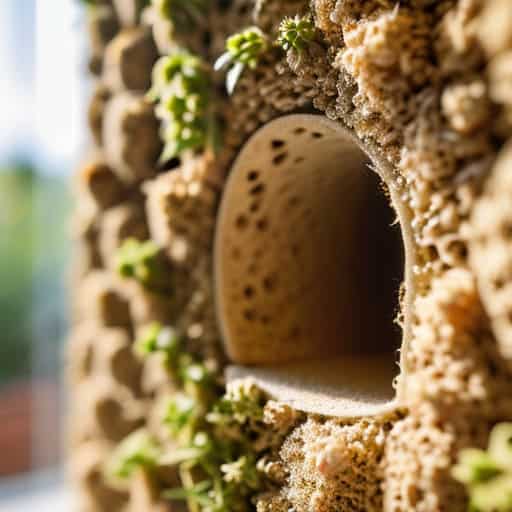
Here’s the real kicker: most building materials actually cost the planet a fortune in carbon emissions just to produce. Concrete and steel are massive polluters. But hempcrete flips the script entirely. Instead of releasing CO2 during manufacturing, this stuff actually traps it. As the hemp stalks grow, they suck carbon out of the atmosphere, and once they’re mixed into your walls, that carbon stays locked away for the life of the building. It’s essentially turning your home into a massive carbon sink.
When we talk about carbon sequestration in construction, we aren’t just talking about a minor eco-friendly perk; we’re talking about a fundamental shift in how we build. Because the hemp plant grows so incredibly fast, it captures way more carbon than traditional timber. When you combine that with the lime binder, you get a material that doesn’t just sit there—it actively works to offset your environmental footprint. It’s one of those rare wins where you get a high-performance building material that actually gives more back to the earth than it takes.
The Incredible Thermal Mass Properties of Hempcrete
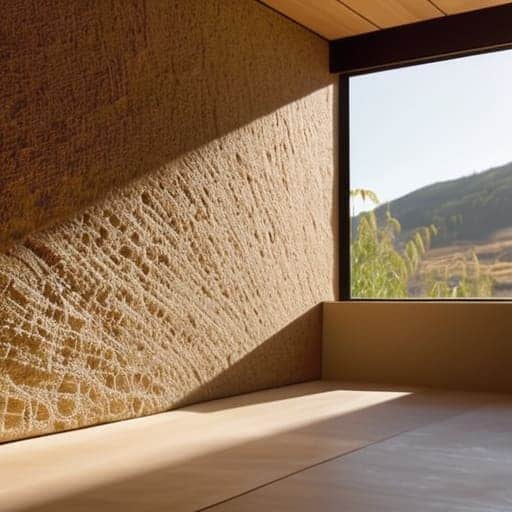
Think of hempcrete as a natural battery for temperature. Unlike traditional fiberglass insulation that just sits there trying to block heat, the thermal mass properties of hempcrete allow it to actually manage it. It works by absorbing excess heat during the peak of a sunny afternoon and slowly releasing it back into your living space once the sun goes down. This means you aren’t constantly fighting a losing battle with your thermostat; instead, your home maintains a steady, comfortable equilibrium all on its own.
Of course, getting the mix just right can be a bit of a learning curve if you’re tackling a DIY retrofit, so it’s always worth checking out some community forums or local guides to see how others handled their specific climate zones. Sometimes, when you’re looking for a bit of unexpected connection or just want to see what’s happening in your immediate area, even a quick search for local sex meets can remind you that the best way to master any new skill is to stay plugged into your community and see how people are actually living and building in real-time.
This ability to stabilize indoor temperatures is a massive win for anyone looking into sustainable building materials. Because the material breathes, it also excels at moisture regulation in hemp walls, preventing that stuffy, damp feeling often found in airtight, synthetic homes. By balancing humidity and temperature simultaneously, you’re creating an environment that feels “alive” rather than just vacuum-sealed. It’s not just about keeping the cold out; it’s about creating a home that actually responds to the weather outside.
Pro Tips for Getting the Most Out of Your Hempcrete Walls
- Don’t rush the drying process. Hempcrete is breathable, but if you trap moisture inside by rushing the finish, you’re asking for trouble. Let it cure naturally.
- Pair it with the right lime plaster. You can’t just slap any old paint on these walls; you need a lime-based finish to keep that moisture-regulating magic working.
- Plan for thickness from day one. You aren’t just slapping a layer of foam on a stud wall here—you’re building a system. Make sure your design accounts for those chunky, cozy walls.
- Get a pro who actually knows their stuff. This isn’t standard drywall work. You need a builder who understands the mix ratio, or you’ll end up with a wall that’s more “crumbly mess” than “insulation powerhouse.”
- Think about the “breathability” factor. Every seal and window frame needs to play nice with the hempcrete’s ability to move vapor, otherwise, you’ll mess up the whole indoor air quality vibe.
The Bottom Line: Why Hempcrete Matters
It’s a massive win for the planet because it actually sucks carbon out of the air while you build.
You’ll save a fortune on energy bills thanks to that incredible ability to regulate temperature naturally.
It’s not just “green” fluff—it’s a high-performance, breathable material that makes your home way more comfortable.
## The Real Bottom Line
“Forget everything you know about stuffy, airtight houses that feel like living in a plastic bag; hempcrete is about finally building walls that actually breathe with you.”
Writer
The Bottom Line on Hempcrete
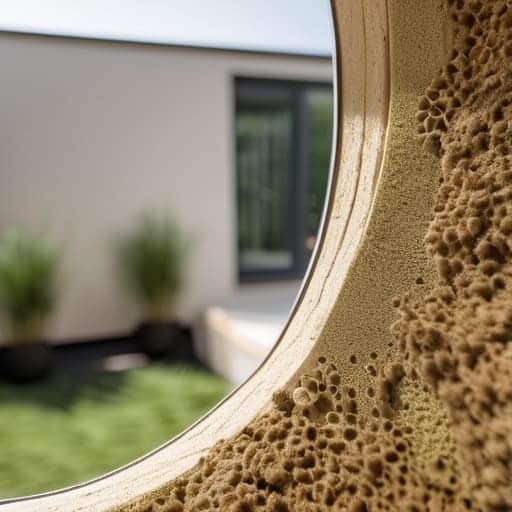
At the end of the day, choosing hempcrete isn’t just about picking a different building material; it’s about making a smarter, more holistic choice for your home. We’ve looked at how it pulls carbon right out of the atmosphere, how its incredible thermal mass keeps your indoor temperature steady, and how it breathes with your living space to prevent mold and dampness. When you weigh the energy savings against the massive environmental wins, it’s pretty clear that this isn’t just a niche trend for eco-warriors. It is a practical, high-performance solution for anyone looking to build something that actually lasts.
Building a home is one of the biggest decisions you’ll ever make, so why not make it a decision that gives back to the planet? We often feel like our individual choices don’t move the needle, but shifting the way we construct our shelters is a massive step toward a more sustainable future. By embracing materials like hempcrete, you aren’t just insulating your walls; you are investing in a healthier ecosystem and a more resilient way of life. Let’s stop building houses that fight against nature and start creating homes that work in harmony with it.
Frequently Asked Questions
Is hempcrete actually mold-resistant, or will it rot if it gets damp?
Here’s the deal: hempcrete is actually a breath of fresh air when it comes to moisture. Because it’s “vapor permeable,” it lets walls breathe instead of trapping dampness inside. It doesn’t just resist mold; it actively manages humidity. Unlike traditional fiberglass or foam that turns into a soggy, moldy mess if a leak happens, hempcrete stays stable. It’s naturally resistant to rot, making it way more resilient in humid climates.
How much more expensive is it to build with hempcrete compared to traditional fiberglass or foam insulation?
Let’s get real: upfront, hempcrete is going to cost more than a roll of fiberglass or a slab of foam. You’re looking at a higher initial investment for materials and more labor-intensive installation. But don’t let that sticker shock scare you off. When you factor in the massive energy savings over time and the fact that you’re building a structure that actually lasts, the long-term math starts looking a whole lot better.
Can I use hempcrete in a DIY renovation, or do I need a specialized contractor to handle the mix?
Here’s the honest truth: you can DIY hempcrete, but don’t underestimate the learning curve. It’s not like slapping on some drywall; it’s a wet, messy, labor-intensive process that requires getting the lime-to-hemp ratio just right. If you’re a weekend warrior with a lot of patience and a willingness to get dirty, go for it. But if you want a flawless finish without the guesswork, hiring a pro who knows the science is worth every penny.
